
Japan Rental Market: What Makes Income More Stable?
Japan’s rental market can be more stable than national vacancy figures suggest. Learn what really supports steady rental demand and dependable income.
View articleArticle topic
Japan’s rental market can be more stable than national vacancy figures suggest. Learn what really supports steady rental demand and dependable income.
View article
A practical guide to protecting resale potential when buying Japanese property, from buyer demand and finance to tenants, renovations and land today.
View article
Japan inheritance tax reaches your Japanese property even if you never lived there. Here is how the calculation works, and what your heirs would have to do.
View article
For overseas owners, a Japan property manager is infrastructure, not a service. What to check about management before you buy, not after the first repair.
View article
A condo unit and an apato building are not the same investment in Japan. How repairs, land value, flexibility, financing and resale change with asset type.
View article
Why overseas investors in Japan need representation on their own side of the table - the access problem, the language problem, and the incentive problem.
View article
In Japan the agent showing you a property is usually paid by the seller. Here is how a buyers agent differs - and why it matters for foreign investors.
View articleBritish buyers can own Japanese property outright - no residency, no approval, no leasehold trap. Here is what UK investors should know before buying.
View article
Tenant-in-place properties in Japan can offer immediate income but buyers must assess market rent, condition, management, demand, and resale risk too.
View article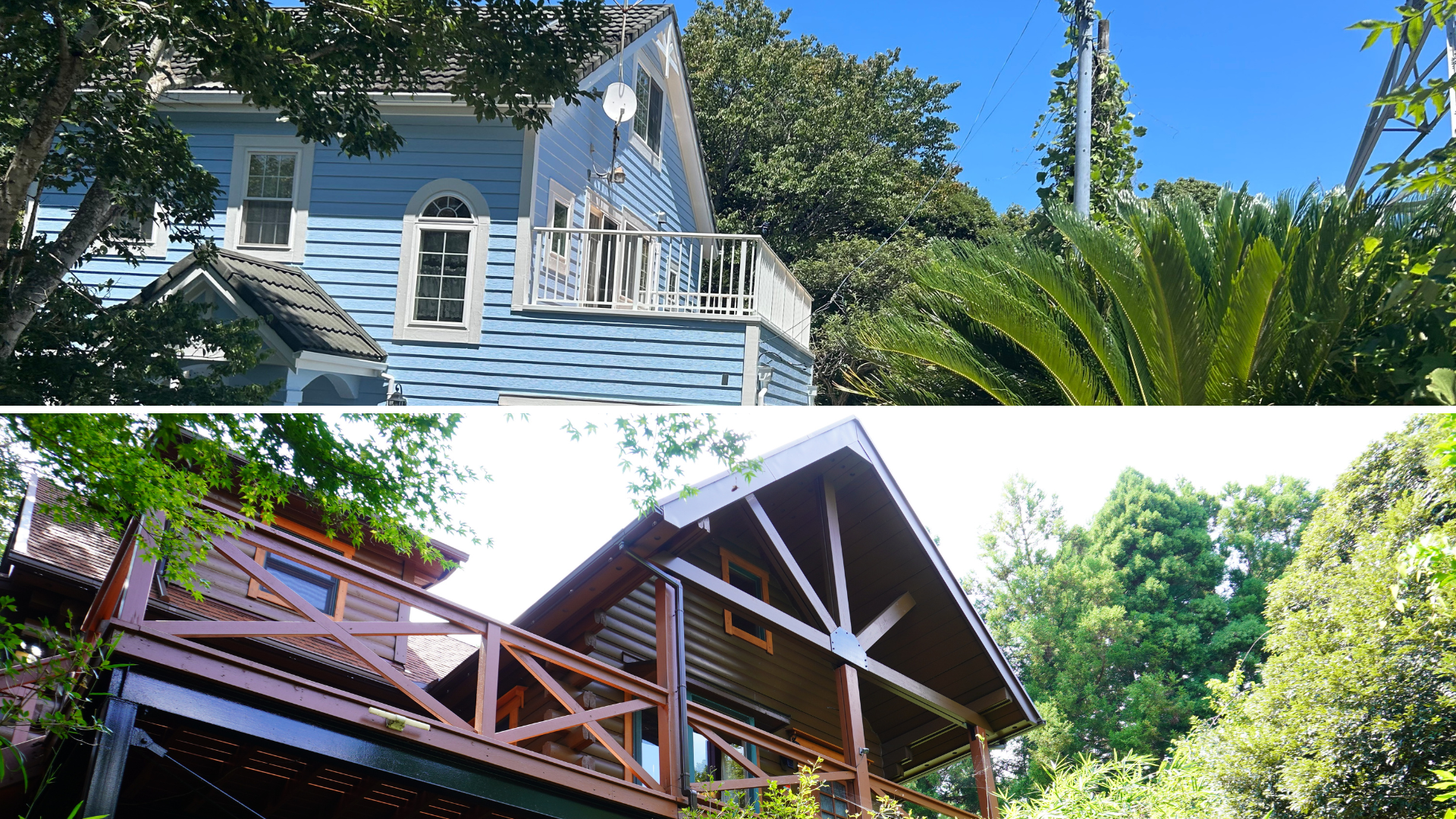
A rare Ichinomiya, Chiba compound: two full homes, a sauna log cabin, and parking for 12+ cars, priced at ¥44.9M, non-negotiable, never before listed.
View article
Confused by 1LDK, 1K, or 2LDK listings? This 2026 guide decodes every Japanese apartment type - with real yield data for foreign investors.
View article
Vacant land in Japan looks simple - but zoning, road access, hazard risks, and resort rules make it complex. Here’s what foreign buyers need to know first.
View article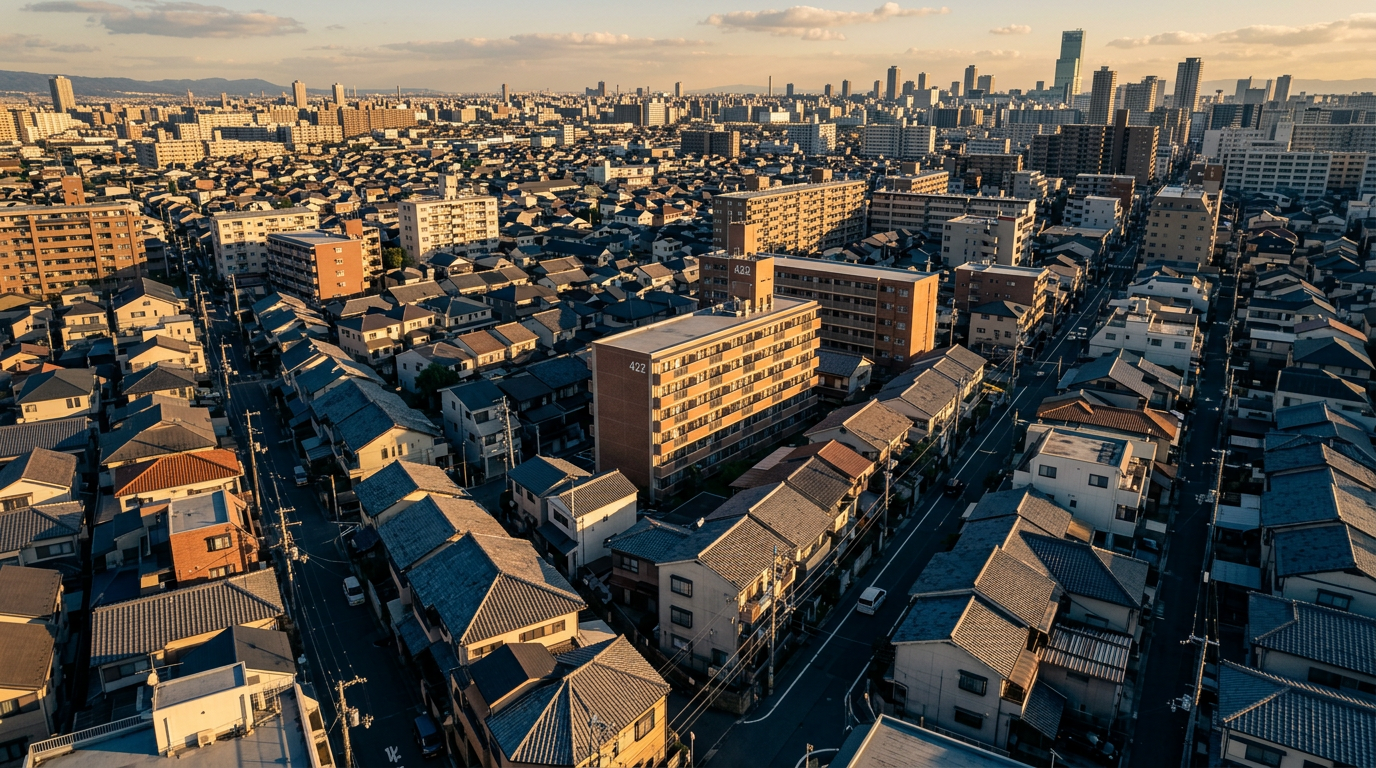
The paperwork isn’t the barrier. Not knowing where to start is. Here’s a practical four-step guide to Japan real estate for first-time foreign buyers.
View article
Japan property vs. dividend ETFs - an honest, numbers-first comparison of yield, volatility, and liquidity for foreign investors.
View article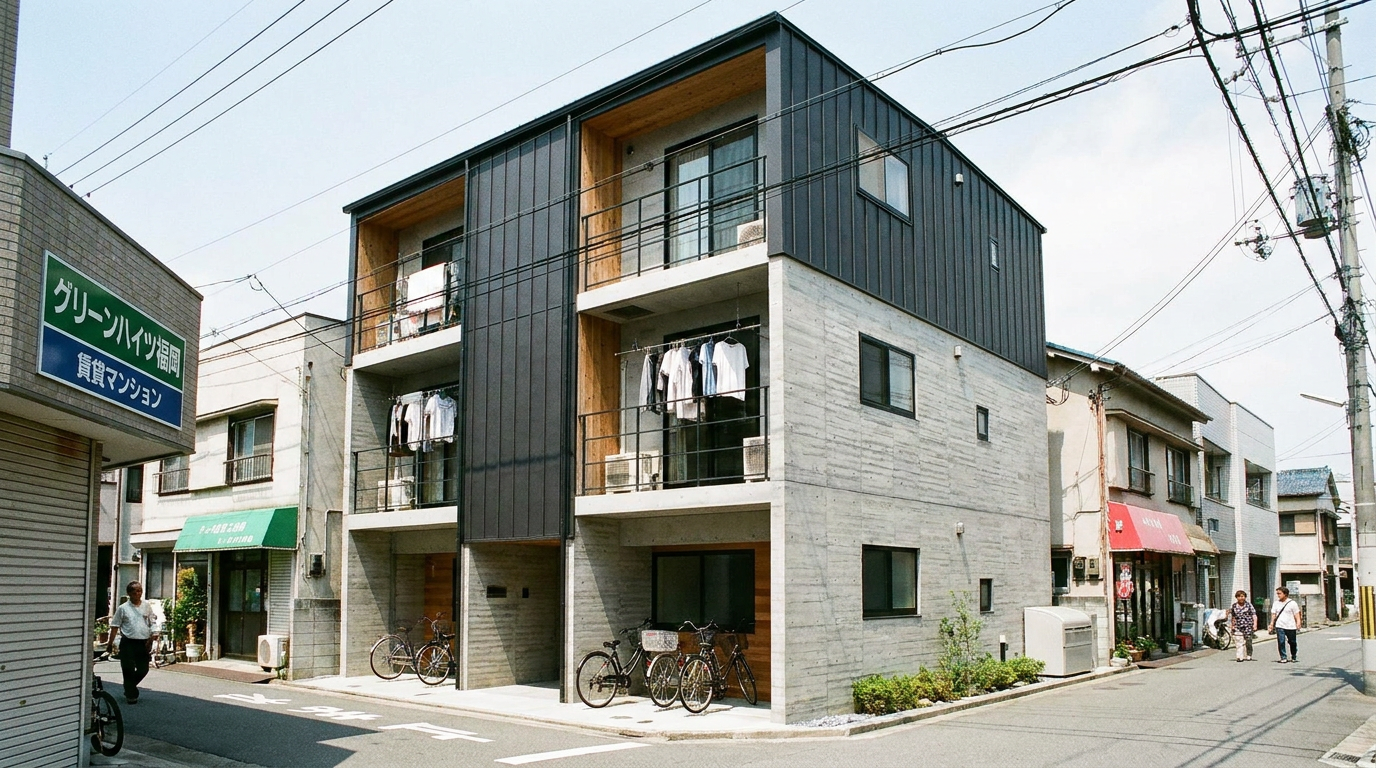
A complete guide for foreign investors on how to buy real estate in Japan - from predicting one-time acquisition costs to understanding long-term yields.
View article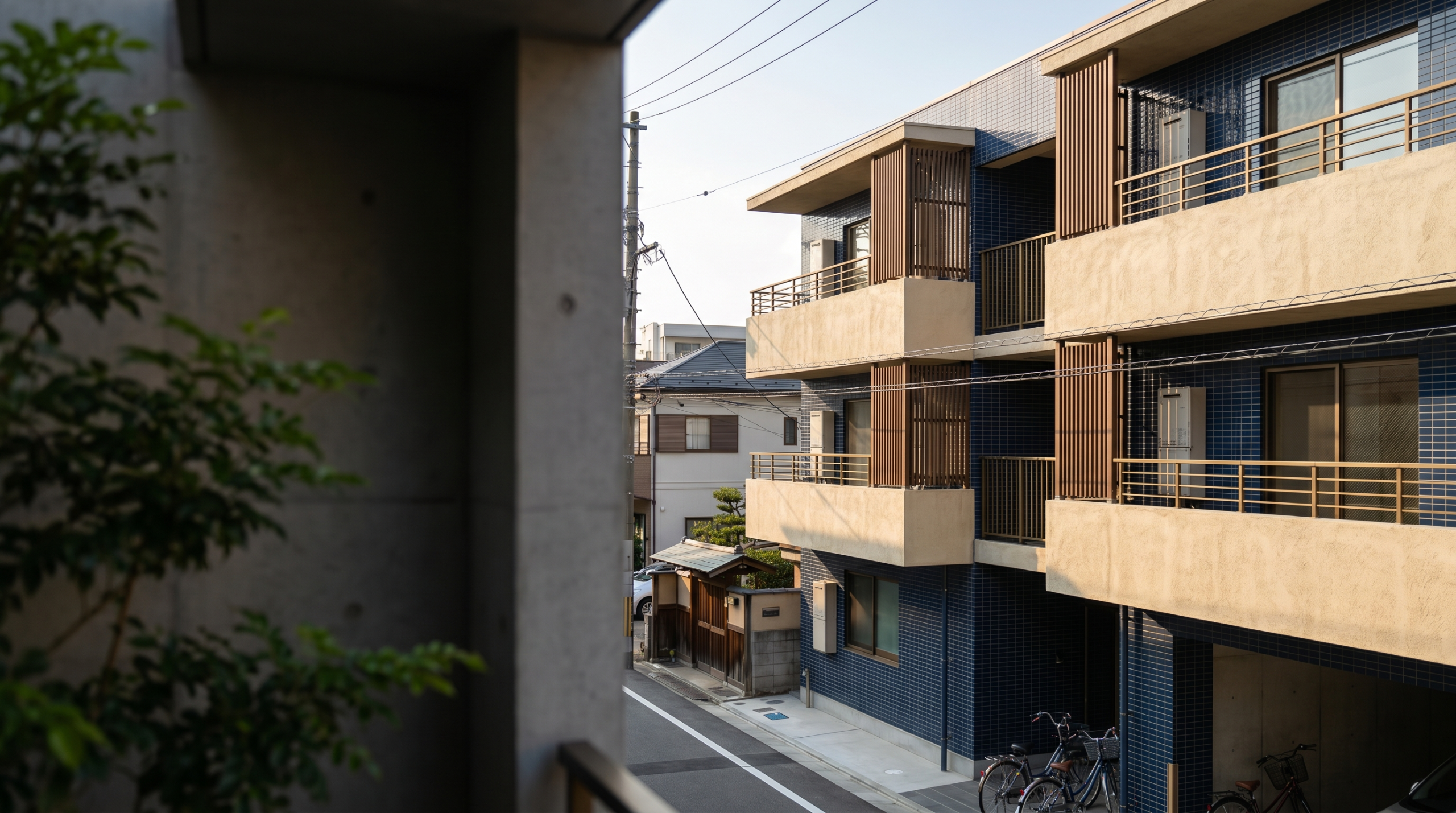
Confused by Japan rental yields? We explain the difference between net and gross yields and what the numbers actually mean for foreign property investors.
View article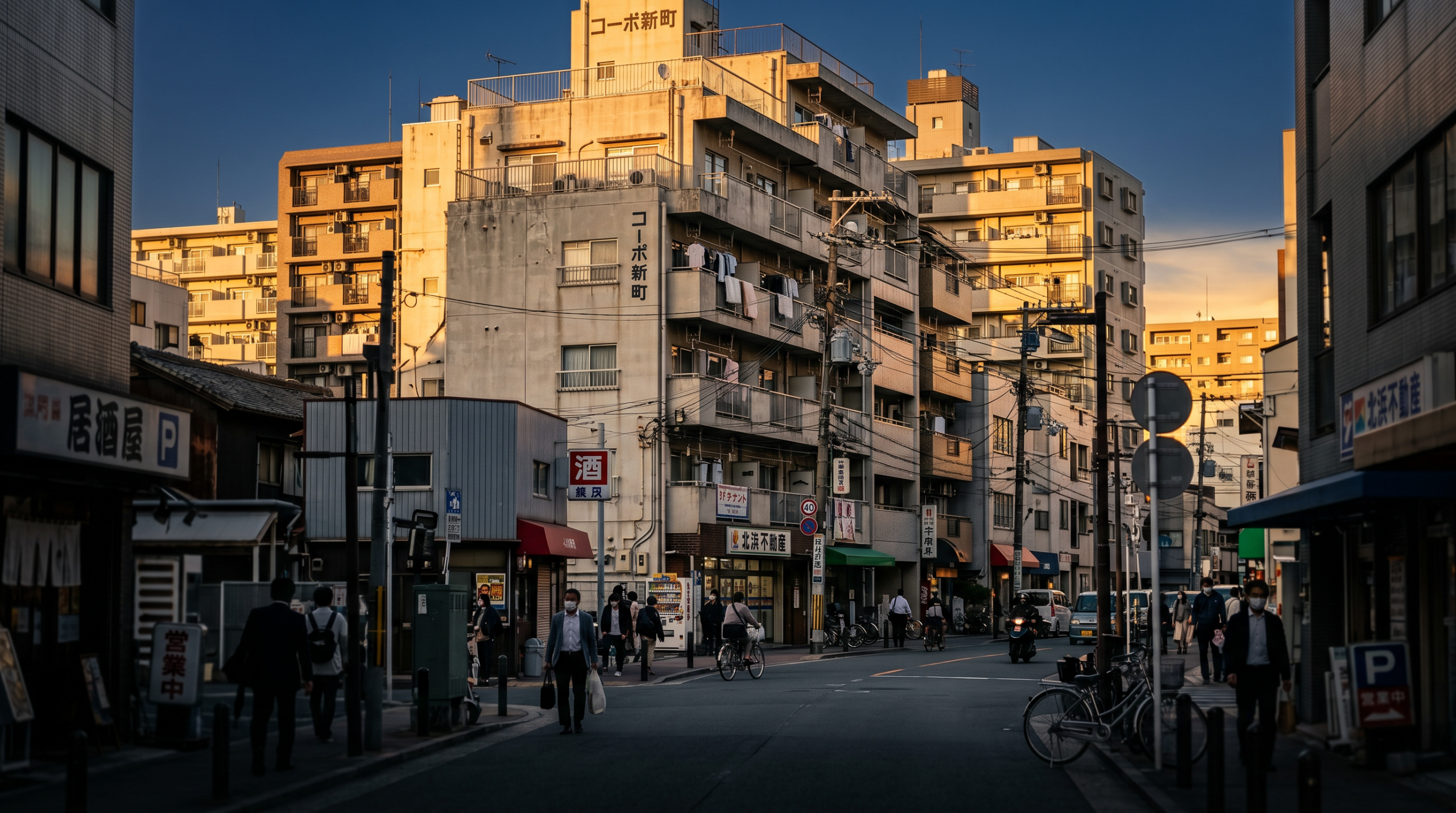
Tokyo, Osaka, or Fukuoka? Discover which Japanese city suits your real estate investment profile by comparing net yields, liquidity, and entry prices.
View article
With the yen at multi-decade lows, discover why now is the ideal time for foreign buyers to invest in Japan real estate for strong yields and long-term gains.
View article
Most people assume buying property in a foreign country means restricted zones, special visas, or years of residency. Japan is the exception. Foreign nationals can legally buy and own freehold property in Japan - no residency required, no Japanese language needed, no government approval process. That surprises a lot of people. It surprised us too, […]
View article
Japanese property listings only show the surface. Learn what’s missing - condition gaps, yield risks, hidden constraints - before you make an expensive mistake.
View article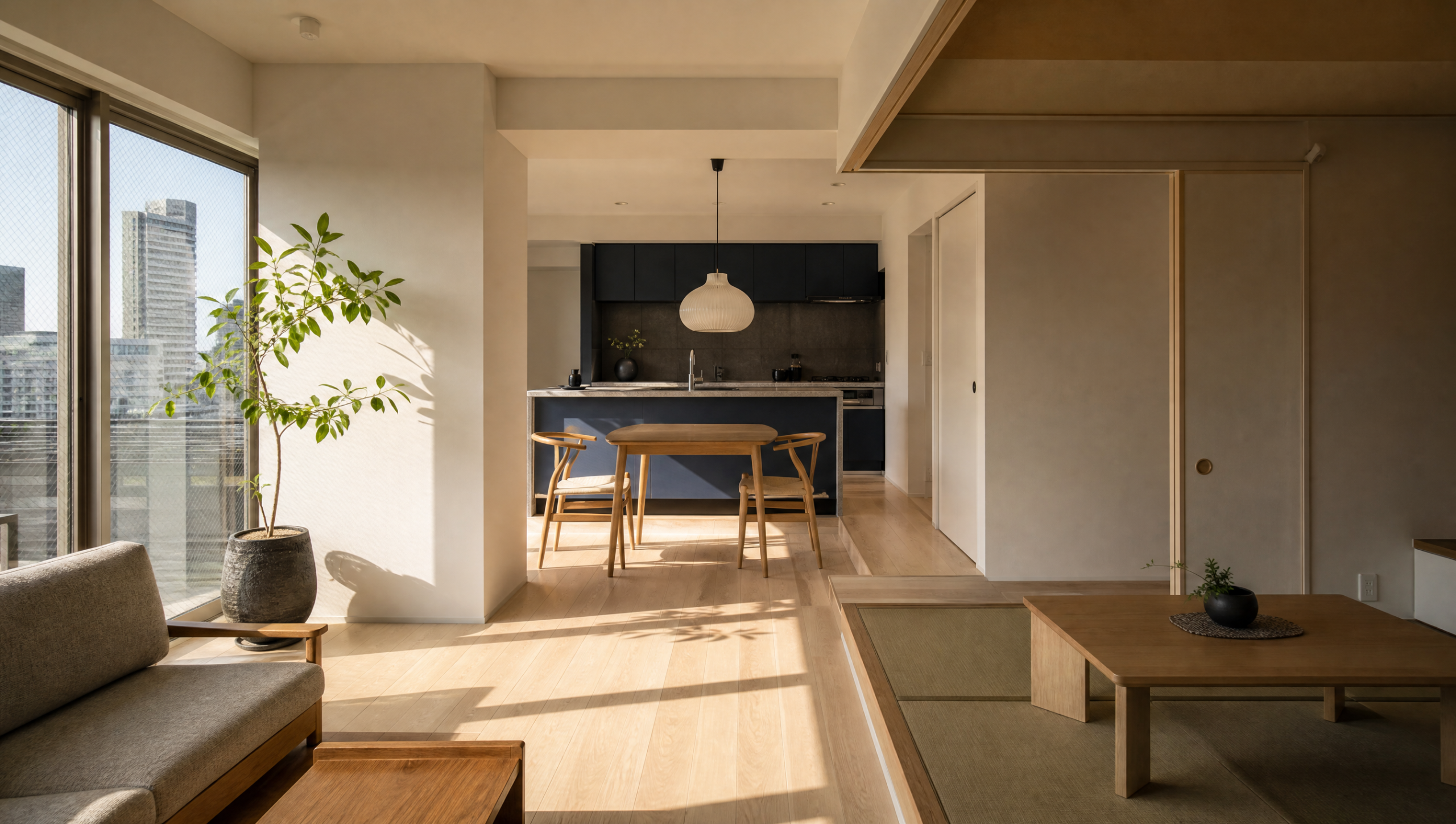
Smart renovation strategies for Japan rental properties in 2026. Boost yields, attract quality tenants, and maximise ROI - no Japanese required.
View article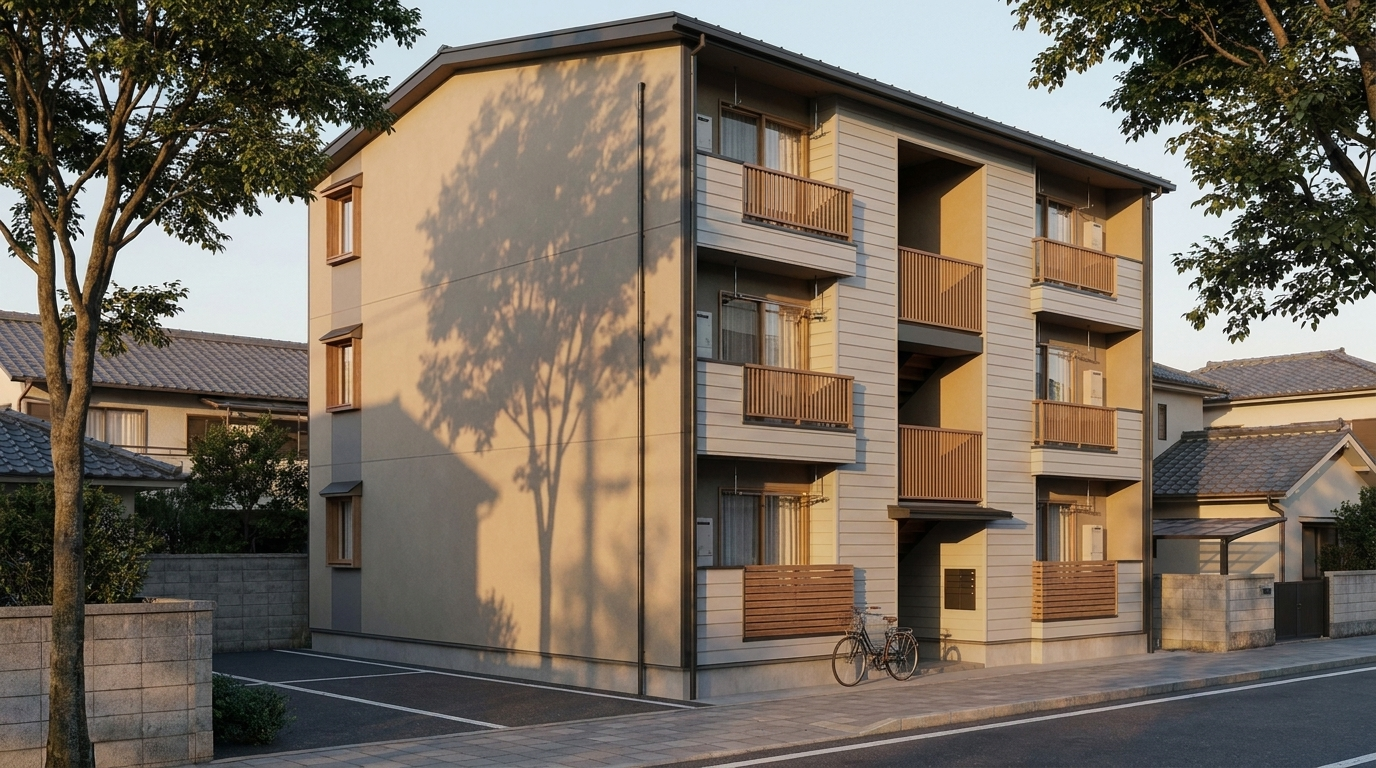
Quick Answer Foreign investors can buy multi-unit apartment buildings in Japan - no Japanese language required. Typical net yields range from 5–6.5% in suburban cities like Osaka, Saitama, and Fukuoka. Buildings under 3 floors with 2–12 units offer the most flexibility for mixed rental strategies, including Airbnb. Non-residents can access financing by setting up a […]
View article
Japan’s 2026 property rules require nationality disclosure and a new 20-day filing for foreign buyers. Here’s what changed - and what stays the same.
View article
Japan’s “fully renovated” properties can hide costly problems. Learn what questions smart buyers ask before purchasing, and what red flags to watch for.
View article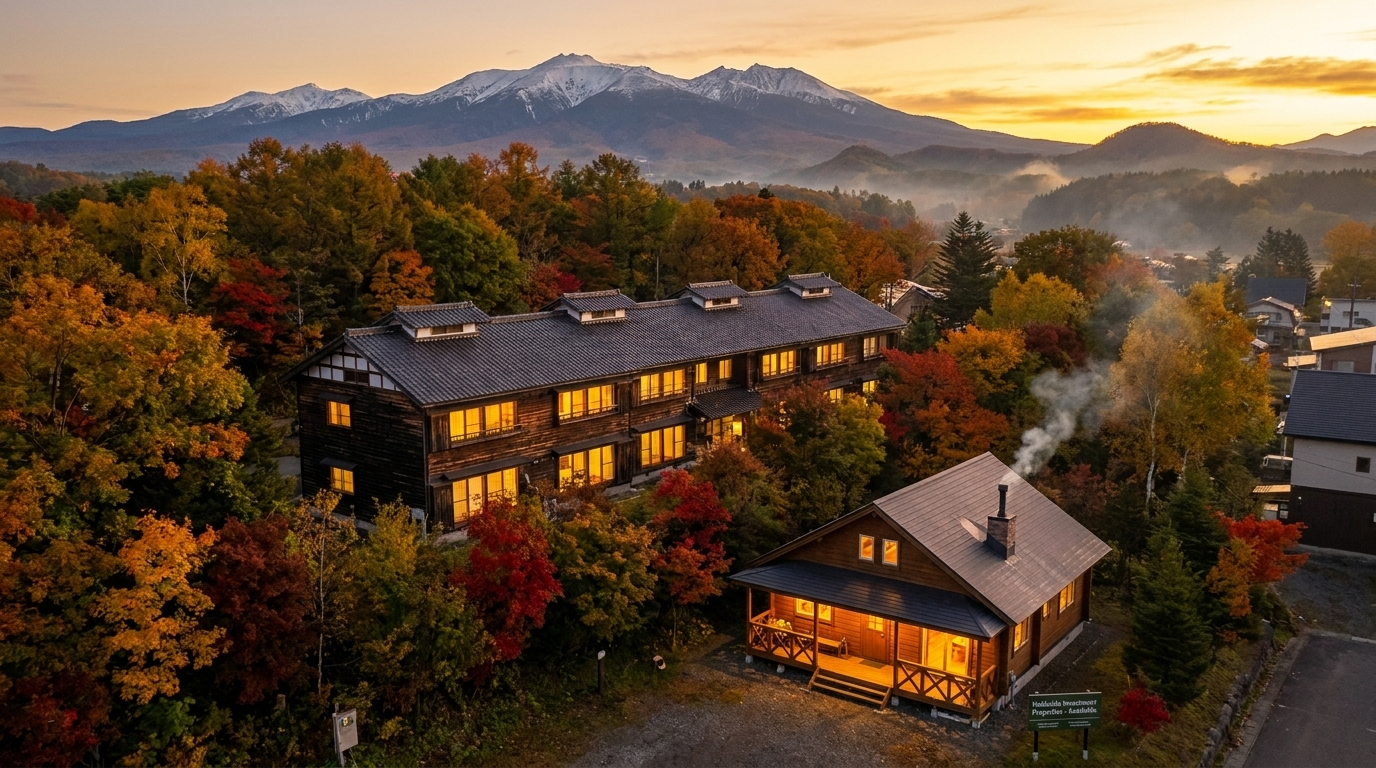
Two investor case studies: multi-unit buildings in Japan and hybrid Hokkaido holiday homes that double as short-term rentals. Find your strategy.
View article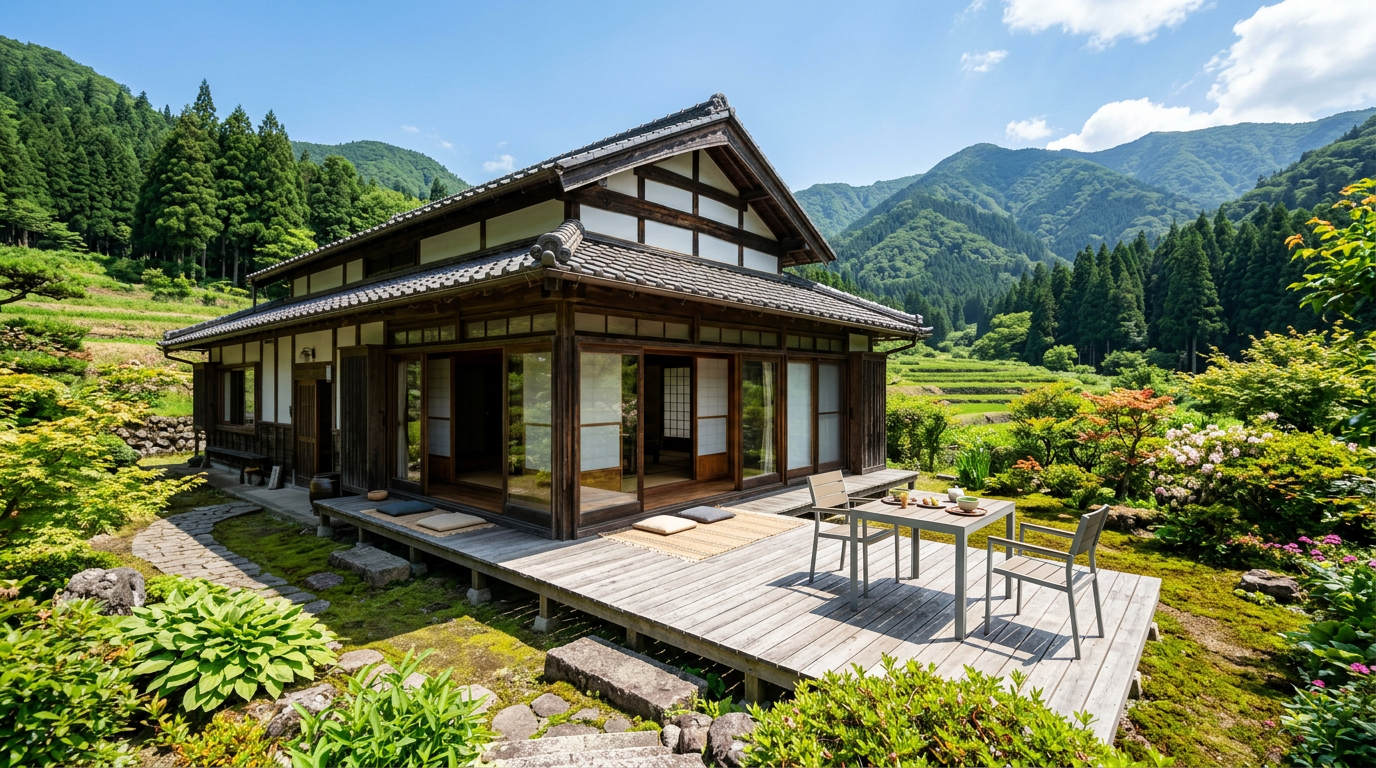
Discover what you need to know about buying family, holiday, or investment properties in Japan, including costs, risks, and remote buying options.
View article
Understand why Japanese business decisions take longer than expected. Learn how consensus and process work, and how to plan properly for success.
View article
Learn how foreign investors build profitable real estate portfolios in Japan in 2026 - from first property to seven units, loans, yields, and structure.
View article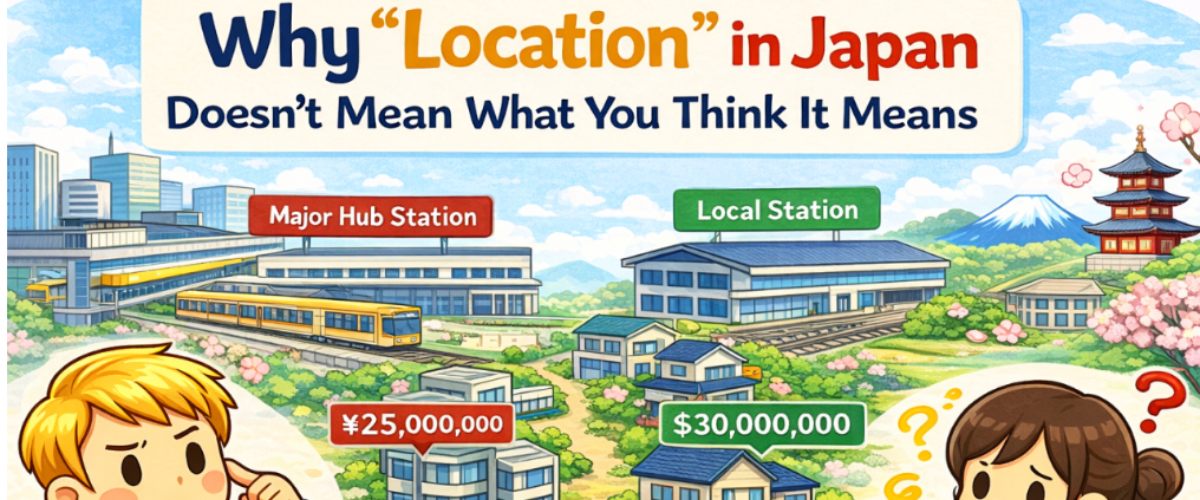
Discover why “location” in Japan’s real estate market means micro-locations. Uncover how station type, walk quality, and local demand drive ROI.
View article
Stop falling for fake surface yields. Learn how to underwrite Japanese real estate, calculate true net ROI, and find high-cash-flowing investments.
View article
In 2026, Japan remains one of the most legally stable real estate environments in the world. The problem is not “Japan risk” - it is asset-selection risk: buying the wrong property type for your strategy, then discovering the constraints too late.
View article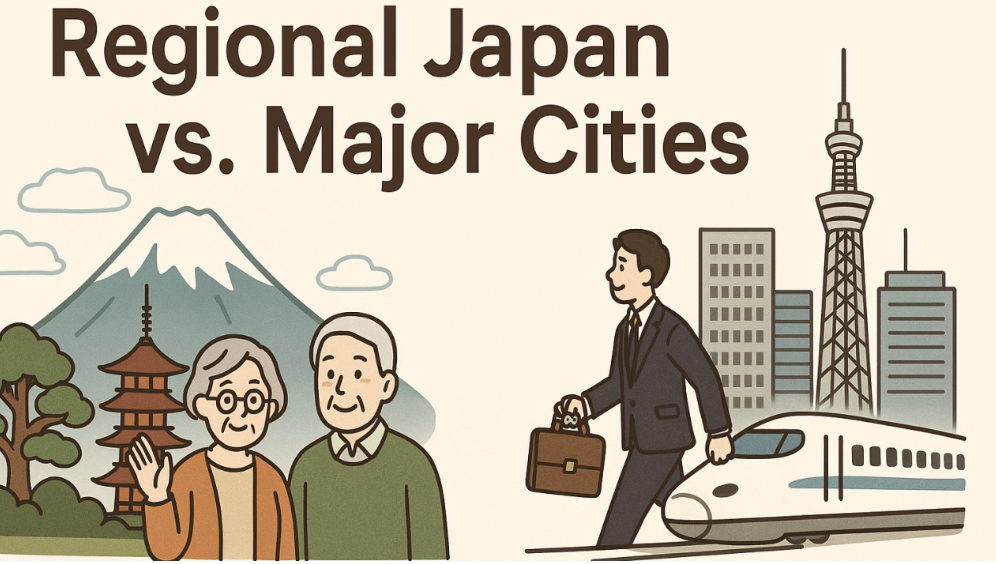
Japan isn’t one real estate market - it’s many. Discover where smart investors are finding stability, yield, and hidden value in 2026.
View article
Japan’s wooden homes hide costly structural risks. Learn the 8 dangers every buyer must check - before a “cheap” house becomes a million-yen mistake.
View article
Japan still works for foreign investors in 2026 - but success now demands strategic thinking over bargain-hunting, as regional prices rise, BOJ rates normalize, and new transparency rules take effect.
View article
Step-by-step legal checklist for buying property in Japan - foreign buyer rules, registration, taxes, zoning, required documents, and post-purchase obligations.
View article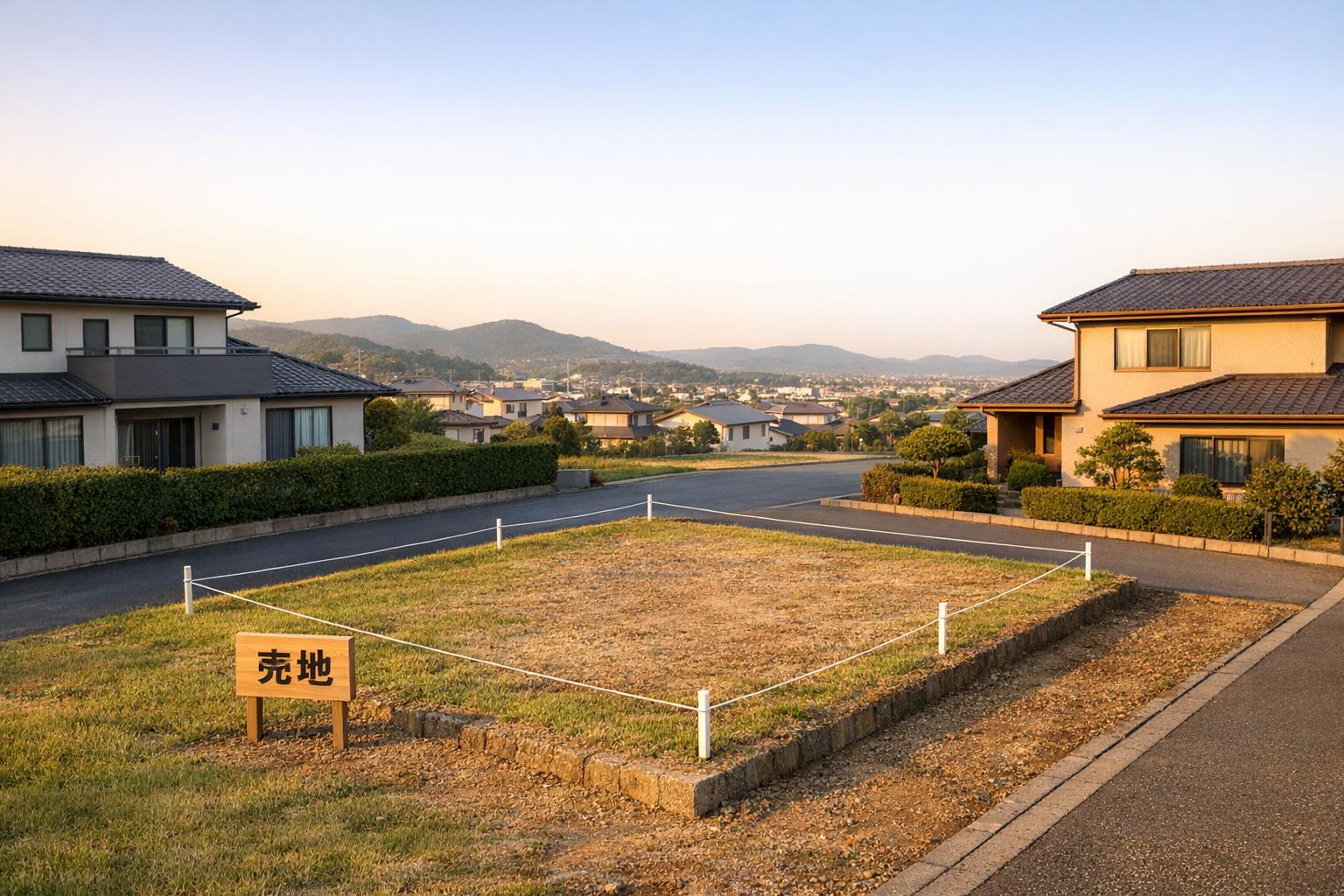
A practical guide for foreign investors buying vacant land in Japan - rules, zoning, taxes, financing, development options, and common risks.
View article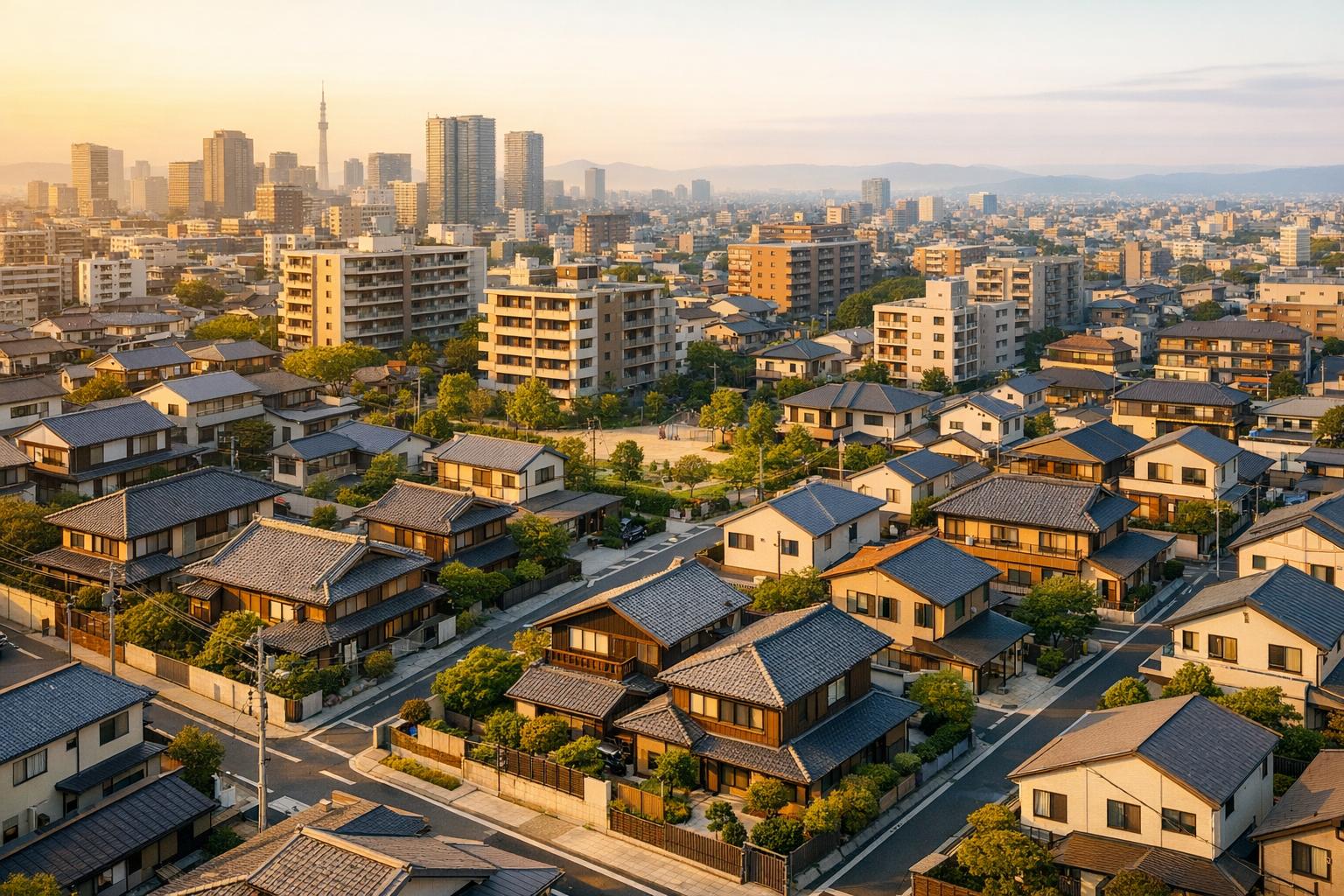
Five-step checklist to analyze Japan’s housing market: macro trends, supply-demand, pricing, rental yields, data sources and local expert guidance for investors.
View article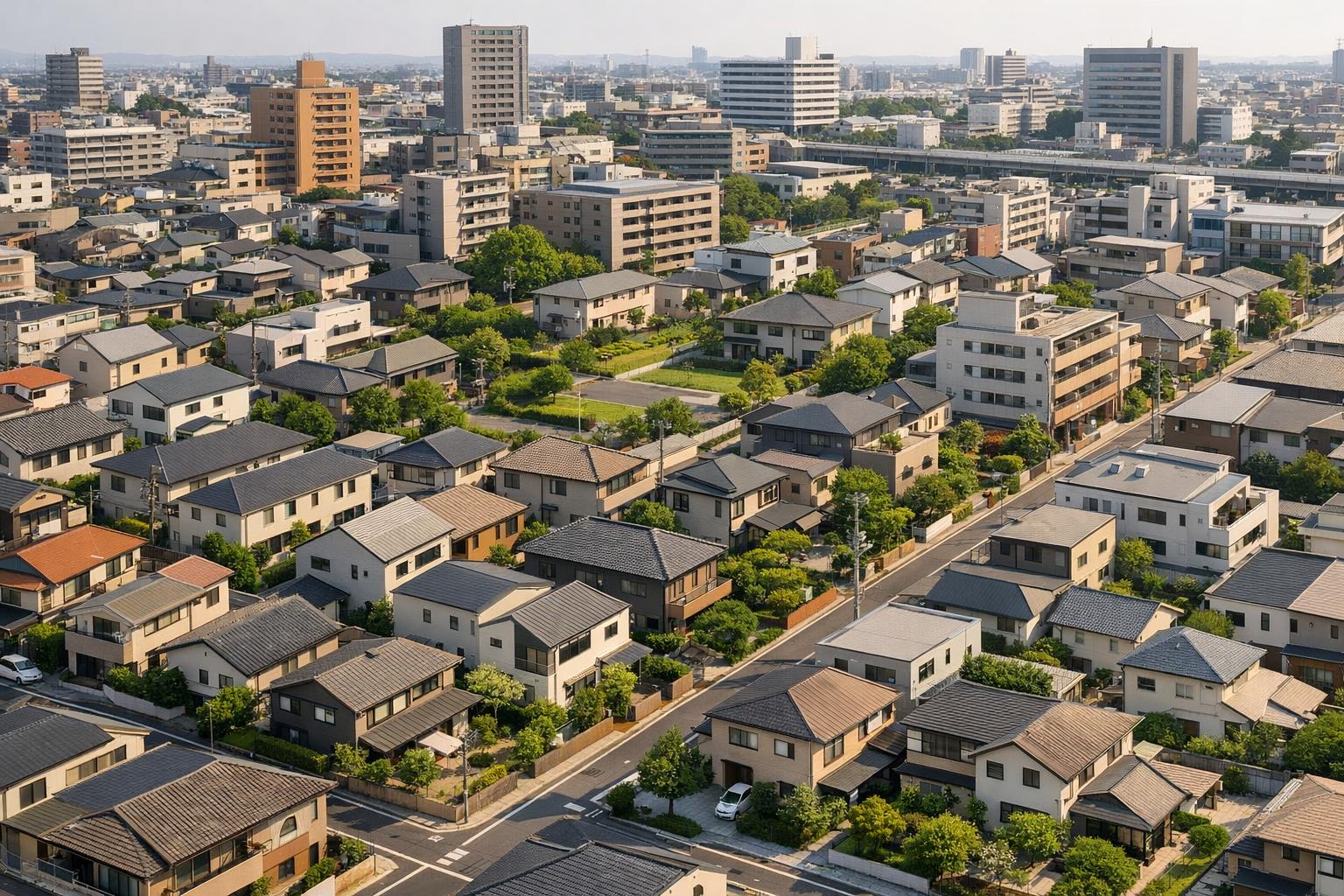
A practical checklist to calculate gross vs net rental yields in Japan, account for taxes and operating costs, and perform regional due diligence.
View article
Guide to avoid common buyer mistakes in Japan property: depreciation, inspections, financing, taxes, akiya risks, renovation costs, and resale issues.
View article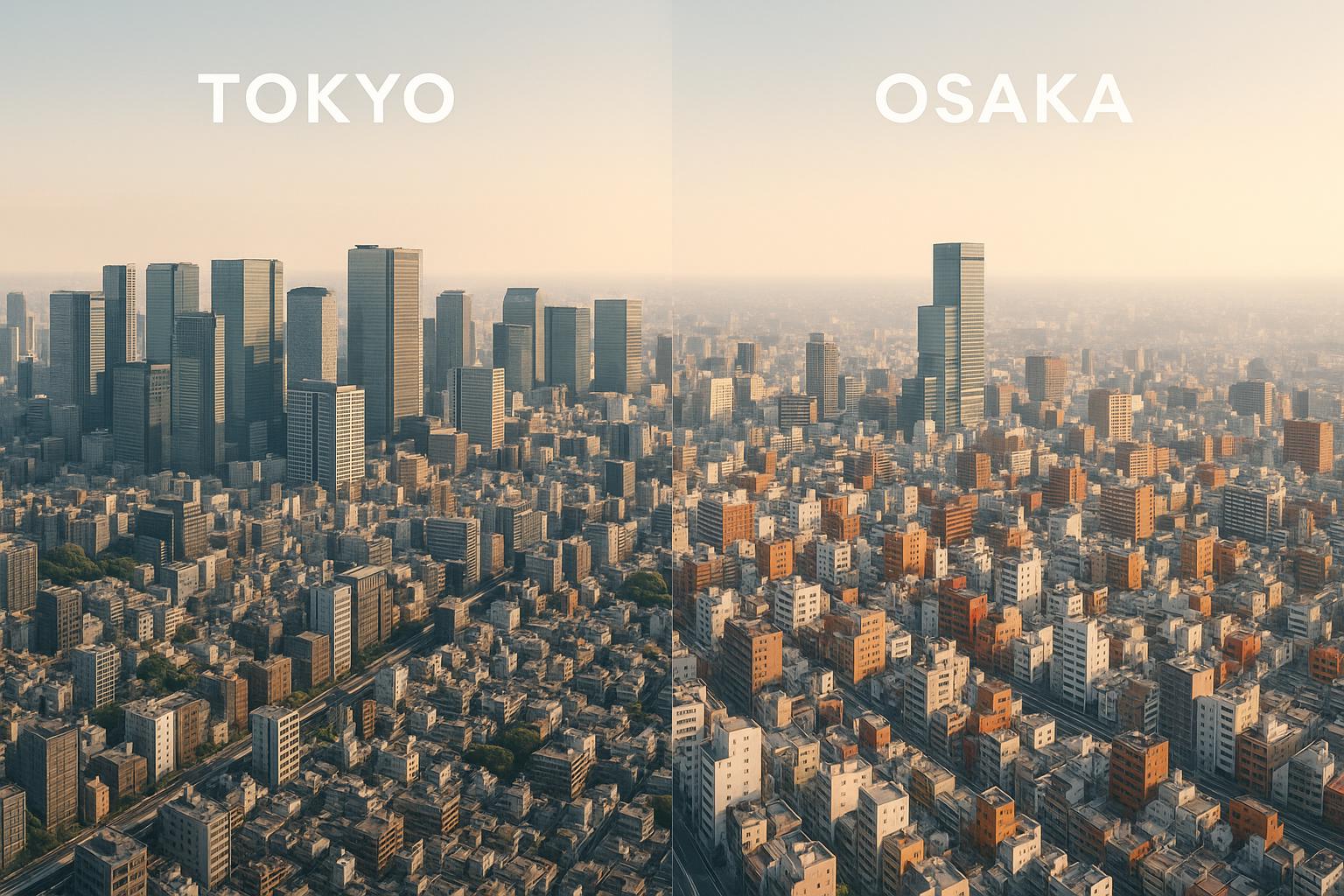
Compare Tokyo and Osaka rental yields in 2025 - Osaka offers higher gross yields (~4.26%) and lower prices; Tokyo provides stability and long-term appreciation.
View article
7-step roadmap for foreigners to buy property in Japan: research, budget for fees, prepare docs, inspect, secure financing, and register ownership.
View article
Practical guide to Japan’s 2026 property market - trends, top cities, legal and tax rules, financing options, and risk management for investors.
View article
Last Updated: November 2025 Author: Nippon Trading International (NTI) Editorial Team Executive Summary: Key Takeaways Watch the Full Conversation This article is based on a real-world consultation with Australian buyers looking for a holiday home in central Osaka. For the full context and deep dive into the numbers, watch the episode below: https://youtu.be/XOXyY2ouVpA For many […]
View article
What is the Business Manager Visa & How Real Estate Investors Have Used It Japan’s Business Manager Visa is designed to attract entrepreneurs who want to start and operate businesses in the country. It allows holders to live in Japan for periods ranging from three months to five years, bring family members, and renew their […]
View article
Japan’s countryside is filled with thousands of akiya, vacant homes that are often deeply discounted or even given away for free. These properties offer foreign investors, digital nomads, and adventure-seeking homeowners an exciting (and more affordable) way to live or invest in Japan. But buying akiya in Japan isn’t as simple as browsing a single […]
View article
The 2025 Japan Upper House Election is here and many parties are touching upon foreign ownership of real estate. What should foreign investors know?
View article
Jiko bukken (事故物件), or “stigmatized/misfortunate properties,” are homes or apartments tainted by incidents such as suicide, murder, or unattended deaths.
View article
Discover how the Japan 2025 Problem - the rapid aging of the population - is transforming the real estate market. Learn about rising vacant homes, shifting housing demand, and emerging investment opportunities.
View article
Learn everything about Minpaku, Japan’s legal short-term rentals. Licensing, zoning, ROI tips, and expert advice from Tracey Northcott.
View article
This guide to buying an akiya in Japan breaks down what an akiya is, why they exist, where to find them, and examples of successful purchases.
View article
Japan’s real estate market is facing an exciting crossroads - one where the future of investment opportunities is shaped by two key forces: urbanization and rural revitalization. Investors and potential property buyers are now grappling with a choice: continue focusing on Japan’s megacities, or explore the emerging potential of the country’s tranquil countryside. Both regions present unique […]
View article
As 2025 progresses, Japan remains a prime target for domestic and international investors, bolstered by its liquidity, attractive yields, and enduring demand across various asset classes. However, with rising construction costs, evolving workforce dynamics, and a shifting retail and logistics landscape, navigating this market requires strategic insight and adaptability.
View article
Getting to know the full range of property classifications - such as 1R, 1LDK, 2DK, and 3LDK - is crucial when investing in real estate.
View article
When renting out property in Japan, understanding tenant preferences can make all the difference between a vacant listing and a highly sought-after unit. While universal factors like location and price play a role, the Japanese rental market has unique nuances that every property owner should consider. These details significantly influence tenant decisions, from security features like double-door entry systems to the appeal of higher floors for both safety and privacy.
View articleWhether you’re 100% new to real estate in Japan or want to brush up on your knowledge, we’ve organised all the recorded talks of the summit into areas of interest for you to watch or listen to on your drive to work, morning run, or even evening study session.
View article
Japan’s government maintained its moderate economic recovery outlook in October’s report, noting improvements in employment and income. However, it flagged global risks, including high U.S. and European interest rates, China’s real estate stagnation, and Middle East conflicts.
View articleIf you’re considering investing in Japanese real estate, whether for a permanent move or as a different type of investment, you’re likely wondering if it’s worth it. Understanding the pros and cons, and what to watch out for before making a significant financial commitment, is crucial.
View article
When investing in real estate in Japan, it’s crucial to understand the distinct advantages and disadvantages of new/young pre-owned properties versus old pre-owned properties. This knowledge can guide investors in making decisions that match their specific investment objectives.
View article
Investing in real estate is a significant decision, and many potential new investors might be tempted to either give up due to a lack of clear understanding of the risks involved or to dive in without a proper basic knowledge of what to expect.
View article
Japan offers a vast array of opportunities, and while the areas we present here are not exhaustive nor “officially” the best, they are selected for their diversity, showcasing the wide range of features available in the country
View article
Tokyo’s office market faced challenges during the pandemic, experiencing reduced foot traffic and increased vacancies. To adapt to shifting tenant needs and diversify income, upcoming developments are increasingly incorporating mixed-use elements. Projects like Tokyo Torch and Jingu Gaien reflect this trend, integrating sustainability and community amenities to attract and retain talent in Japan’s competitive labor market.
View article
Acquiring property in Japan presents a unique set of challenges and opportunities, especially for investors with commercial goals in mind, but the Japanese real estate market offers various strategies to suit different investment objectives.
View article
Japan’s banking regulator ordered Mitsubishi UFJ Financial Group (MUFG) to improve compliance after breaches of “firewall” regulations. The Financial Services Agency mandated MUFG units to identify breach causes and submit improvement plans. The Securities and Exchange Surveillance Commission found unauthorized client information sharing and preferential lending rates, leading to penalties for MUFG Bank and its securities partnerships with Morgan Stanley.
View article
Japanese PM Kishida will announce a six-year economic and fiscal plan aimed at boosting growth through labor market reform, domestic investment, and higher productivity. The plan, starting in April 2025, aims for wage growth to surpass inflation, ending deflation. Fiscal policy will follow Japan’s primary budget surplus goal by March 2026.
View article
Rising labor costs in service sectors like machine repair and industrial renovation have led to the fastest annual increase in Japan’s business service prices since 2015. Policymakers view wage growth as essential for sustained demand-led inflation and further rate hikes. Recent significant pay hikes reflect a shift in BOJ’s policy amid Japan’s fragile economy.
View article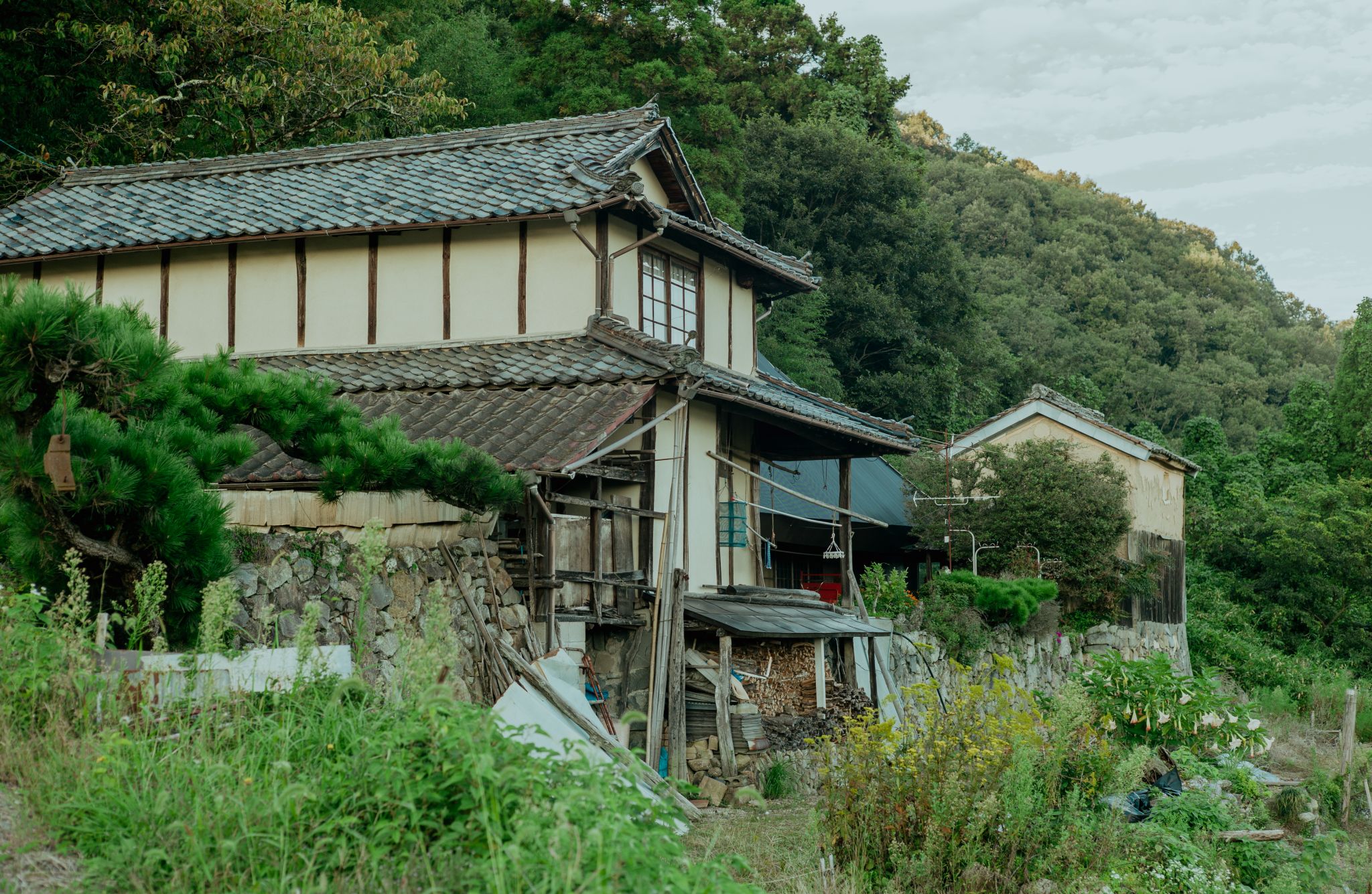
Akiya present a unique opportunity for property investment for those willing to undertake the necessary renovations, with one of the most attractive aspects of akiya being their affordability.
View article
In Katsuura, Chiba, Tyni, a hospitality start-up, is redefining sustainable tourism with its first mobile cabin. Set against lush greenery and pristine beaches, this repurposed 1980s company retreat offers urban couples a nature escape. Co-founder Mori Nishimura aims to connect travelers with Japan’s serene landscapes and culture. Tyni is expanding, backed by funding and regional revitalization support.
View article
Private Lodging for short term rentals, known as Minpaku in Japan, keep on gaining in popularity. Here is a guide to get started in the land of the rising sun!
View article
USD/JPY surged past 151.00, nearing a 30-year high, as the US dollar gained over 400 pips against the yen in a week. This highlights the dollar’s strength and yen’s weakness amidst global financial dynamics. The Bank of Japan’s rate hike fueled uncertainty, causing the yen to plummet. Market watchers await further impact on the currency pair.
View articleAzabudai Hills, Tokyo’s newest redevelopment, aims to transform the cityscape into an international destination. With over $4 billion investment, it offers modern residential, official, and commercial spaces, including amenities like an international school and venture capital hub. This project, crafted by renowned architect Thomas Heatherwick, integrates green spaces and promises to elevate Tokyo’s status.
View article
Tourists visiting Hokkaido’s Niseko mountain resort will face a new accommodation tax, with rates up to 2,000 yen per night for hotel and private lodging stays, approved by Japan’s internal affairs minister. Expected to start in November, the tax aims to generate 162 million yen yearly for local government, funding improvements in transportation and tourism.
View article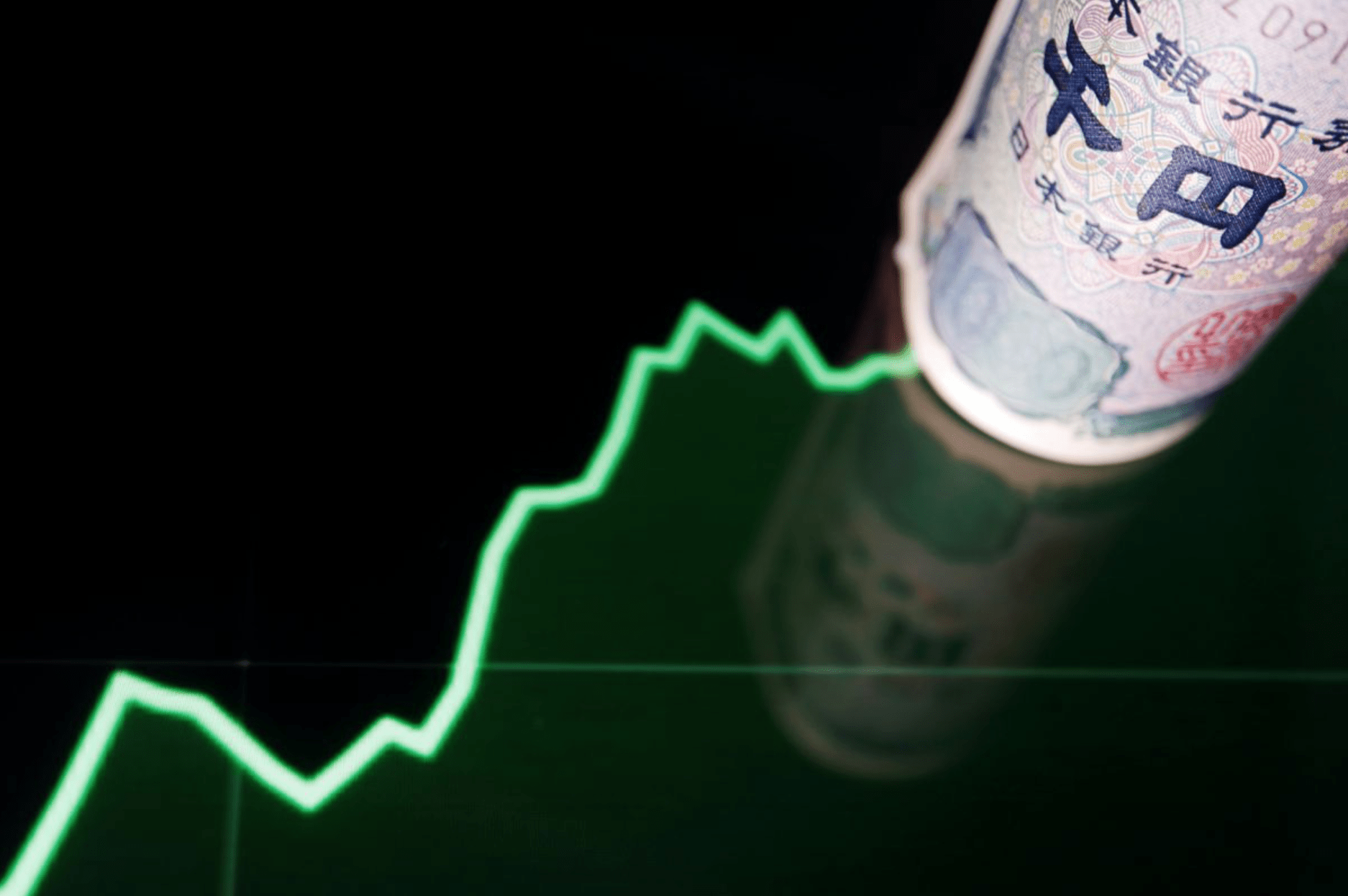
Japanese authorities convened an emergency meeting to address the yen’s decline, signaling readiness to intervene against disorderly market movements. Amid concerns over the yen’s 34-year low against the dollar, the Bank of Japan, Finance Ministry, and Financial Services Agency hinted at potential interventions and pledged to respond through monetary policy if necessary.
View article
Housing Japan, renowned for luxury real estate in Tokyo, introduces its Investment Sales Division, catering to investors, sellers, and landlords. This expansion offers a comprehensive package, including top-tier properties, sales aid, and property management. It’s a one-stop solution for clients worldwide.
View article
Warren Buffett’s Berkshire Hathaway raised its stake in Japan’s top five trading firms to about 9%, as revealed in its annual report. The company had previously held 7-8% stakes in Mitsubishi, Itochu, Mitsui & Co., Sumitomo, and Marubeni. Berkshire aims for long-term holdings, initially announced in 2020, with plans to increase to 9.9%. In February 2024, Berkshire reported paying ¥1.6 trillion ($10.63 billion) for the stakes, valued at ¥2.9 trillion by 2023-end, translating to unrealized gains of 61% or $8 billion.
View article
Developer Tokyu Land Corporation plans to sell a stake in Tokyo office floors for over JPY 100 billion ($673 million). Despite concerns about increased supply, office rents in Tokyo are rising. Tokyu Fudosan, the parent company, will sell a 49 percent interest in 25 floors of Shibuya Sakura Stage to undisclosed investors.
View article
Japan has expanded security scrutiny, adding six U.S. military facilities, including Hiro Ammunition Depot and Itazuki Air Base, to a list of 180 sites subject to increased regulation under a 2021 law. Aimed at enhancing security, the law requires detailed registration for property transactions within a half-mile of designated sites, allowing the government to investigate owners and halt activities posing a threat.
View article
Japanese homebuilder Sekisui House is set to acquire U.S. builder M.D.C. Holdings for $4.9 billion in an all-cash deal, aiming to capitalize on increased demand in the U.S. housing market fueled by lower mortgage rates. The transaction, expected to close in the first half of the year, positions Sekisui as the fifth-largest U.S. home builder based on 2022 house closures.
View article
Japan’s national net worth hit a record 3.999 quadrillion yen ($27 trillion) at the end of 2022, marking a 3.3% increase, the seventh consecutive year of growth. Produced assets, including housing and equipment, led the surge, reaching 2.17 quadrillion yen. Household wealth rose 0.5%, while nonfinancial companies’ share increased by nearly a quarter to 756.1 trillion yen.
View article
The average price of newly constructed apartments in Tokyo’s 23 special wards reached an all-time high at 114.83 million yen, marking a 39.4% increase. Factors include rising construction costs, increased building activity, and high demand driven by low interest rates.
View article
The yen’s sharp decline results from Japan’s low rates against global hikes. Despite similar inflation with the US, the Bank of Japan hesitates due to consumer and business confidence in sustained price growth. This impacts Japan’s economy positively for global firms but negatively for consumers, influencing Prime Minister Kishida’s economic strategies.
View articleSingapore’s GIC acquired a US$800 million portfolio of six modern warehouses across Japan from Blackstone. These strategically located facilities, averaging five years in age, cover four million sq. ft. with a remarkable 99% occupancy. GIC also obtained warehouses in Yatomi city, Nagoya, and two more logistic facilities. The move highlights GIC’s dedication to Japan’s logistics sector amid rising e-commerce and optimized supply chain demand.
View article
Joby Aviation collaborates with ANA Holdings and Nomura Real Estate to develop vertiport infrastructure for Japan’s electric air taxi service. They plan design, location, operation, and financing for these hubs across metropolitan areas like Tokyo, aiming for broader urban coverage. The all-electric air taxi promises high-speed, low-noise, and emission-free travel for a pilot and four passengers.
View article
Japan’s Justice Ministry is testing AI to translate Japanese laws into English, addressing rising global and local demand for English legal references in investments. Presently, manual translations by officials take about 2.5 years due to varied abilities and additional duties. The AI introduction aims to reduce this to a year, potentially streamlining the process significantly. Full AI integration is targeted for April if the trial succeeds. Justice Minister Koizumi Ryuji anticipates AI enhancing the prolonged translation process.
View article
Japan Post Bank amplifies its real estate holdings to $27 billion, marking a significant 17.6% uptick from last year. Their strategic global diversification, notably in North America and Europe, mirrors a broader trend of Japanese investors exploring overseas markets in the post-Covid era.
View article
In the 2024 Urban Land Institute (ULI) and PwC survey, Tokyo reclaimed its top spot in Asia Pacific’s property investment, surpassing Singapore. Japan’s low interest rates attracted investors, leading to substantial investments in its industrial and rental residential sectors, making it the region’s most active real estate market despite a slight trade decline.
View article
GA Technologies navigates Japan’s aging real estate sector, focusing on digital transformation. Challenges persist in housing transactions due to preferences for physical inspections, contrasting rental and investment sectors embracing digitalization. Their explosive growth hinges on capturing the digital wave’s potential and ambitious global expansion strategies. Leveraging acquisitions, like Dear Life Corporation, they aim to consolidate strengths in local markets, positioning themselves as a key player in the evolving global real estate landscape.
View article
Japan faces a staggering surge in vacant homes, estimated at 8.49 million, escalating concerns for future housing. Akiya Katsuyo, led by Takamitsu Wada, and retail giant MUJI enter the scene, pioneering initiatives to revitalize and transform these spaces, addressing the crisis with innovative strategies and collaborations across municipalities.
View article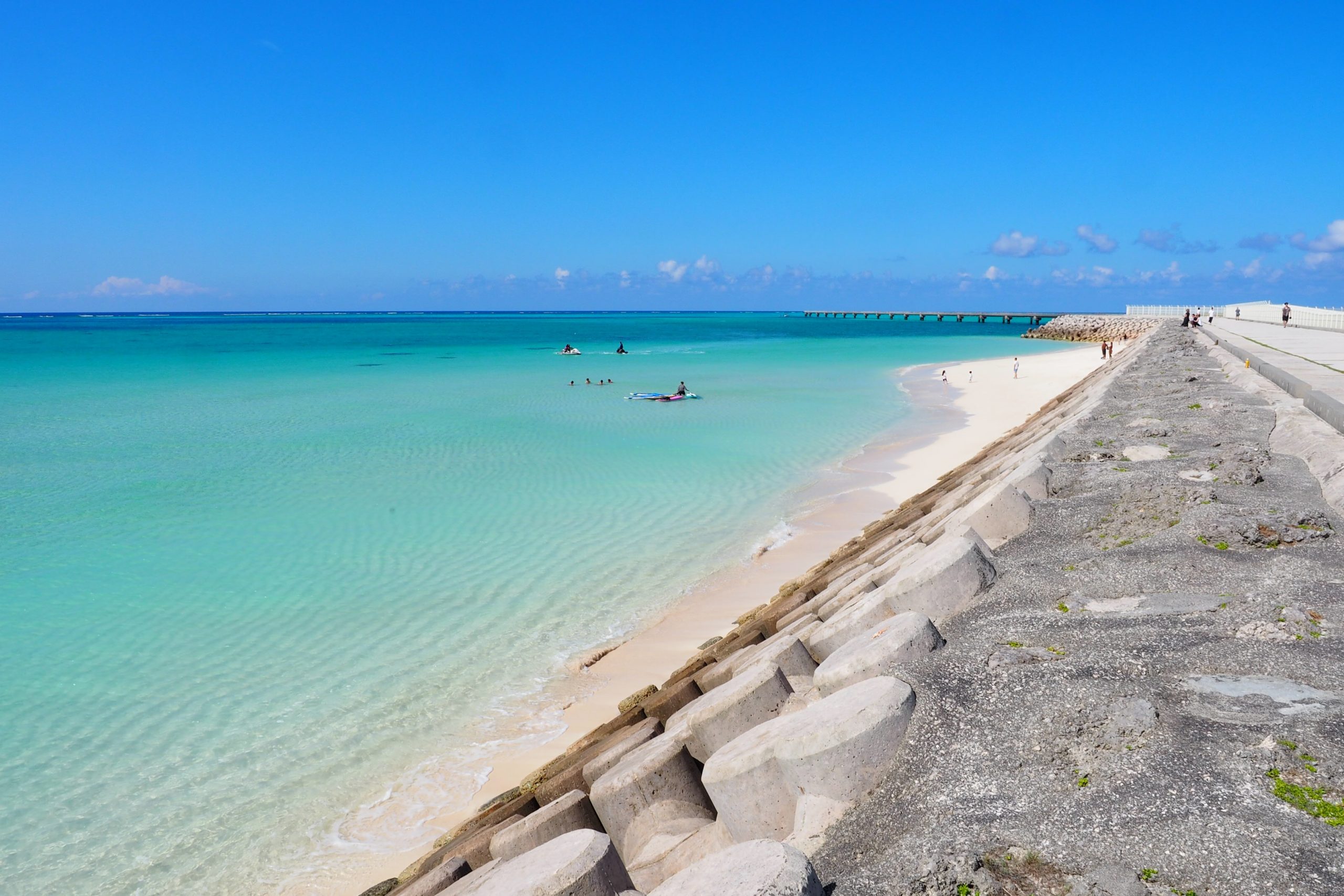
Miyakojima, an enchanting island in Okinawa, is witnessing an unprecedented real estate surge. With COVID-19 receding, investors flock to its shores, eyeing the tourism upsurge. Renowned for its crystal-clear waters and ‘Miyako Blue,’ the island’s allure fuels a skyrocketing demand, creating the ‘Miyakojima bubble.’ Land prices surged by 16.6% last year, outpacing Okinawa’s 4.9% rise, marking Miyakojima as a prime investment hub. Its captivating beauty and promising tourism prospects make it an irresistible destination for both investors and tourists alike.
View article
Commercial real estate transactions (JPY 1 billion or larger) dipped 9% to JPY 945.0 billion in Q3 2023, attributed to an 80% foreign investment drop. Despite this, J-REITs and domestic non-J-REITs soared to 2.4x the previous year’s investment. Retail led at JPY 321.0 billion, driven by Yodobashi Holdings’ substantial acquisition. Hotels and logistics also experienced notable year-on-year increases.
View article
ESR, a major player in the Asia Pacific industrial sector, is embarking on a groundbreaking venture with a 3.3 million sqft logistics project in Greater Tokyo. This development, ESR Higashi Ogishima Distribution Centre 2, is funded by the recently secured JPY 150 billion ($1.35 billion) ESR Japan Logistics Fund III, signaling continued support from an Asian investor who backed the preceding RJLF2 strategy.
View article
Denso, a major Japanese auto parts manufacturer and supplier to Toyota, will invest ¥500 billion ($3.3 billion) in the semiconductor business by 2030. This investment will support research and development, capital expenditure, and acquisitions to develop high-performance chips for automobiles. Denso aims to secure a stable supply chain for semiconductor materials through strategic alliances.
View article Japan’s three largest banks have announced increases in interest rates for housing loans next month, following adjustments in the Bank of Japan’s monetary policy. Sumitomo Mitsui Banking Corp will raise 10-year fixed-rate loans by 0.26 percentage points to 3.79%. Mizuho Bank will increase its rate by 0.3 percentage points to 3.50%, while Mitsubishi UFJ Bank will raise its rate by 0.18 percentage points to 3.7%.
View article Prime Minister Kishida Fumio, during a speech in New York to over 200 US business leaders, expressed his commitment to invigorating foreign investment in Japan, particularly by creating specialized business zones tailored for asset management firms.
View article Japan’s rising real estate values are spilling over its three major metropolitan areas -Tokyo, Osaka and Nagoya, where the upturn began, according to a survey by released by the land ministry, as foreign money continues to pour into the market. The outlying areas seeing price rises benefit from three factors – foreign tourism, industrial investment in areas such as semiconductors and redevelopment projects.
View article
Singapore became the biggest investor in Japan’s real estate sector this year, lured by the yen’s weakness and growing demand in logistics and hospitality industries. Inflows from the city-state totaled almost $3 billion so far in 2023, followed by investors from the US, Canada, and the United Arab Emirates.
View articleA Tokyo-listed REIT sponsored by property giant Mitsui Fudosan has acquired a portfolio of three hotels in Japan for JPY 3.1 billion ($21.2 million). The J-REIT picked up the three-asset portfolio’s highest-valued property, the 128-room Smile Hotel Okinawa Naha, the 97-room Smile Hotel Matsuyama on Shikoku, and the 106-room Smile Hotel Nishi-Akashi west of Kobe.
View articleJapan’s akiya problem has evolved into an unexpected opportunity. The country’s aging and diminishing population have led to a surge in abandoned houses, enticing foreign buyers drawn to Japanese culture and unable to afford similar properties in their home countries due to soaring prices and inflation.
View article
Robust demand for lodging by visitors and rising prices create an ideal scenario for investment. In fact, foreign investors have spent US$2 billion on hotel deals in Japan so far in 2023, the most compared with any other sector in Asian commercial property, according to MSCI Real Assets.
View article
Other travellers have also transitioned from being mere tourists to becoming proud holiday home owners. In this article, we’ll focus on the most popular ski resort locations – namely Niseko, Hakuba and Myoko, where many foreigners have been purchasing holiday homes in recent years.
View article
Real estate prices rose in Japan in 2022, and are expected to continue and rise in 2023. Of course, real estate prices only rise….until they don’t – but in the case of Japan, a number of factors, including inbound demand, ultra-low interest rates, higher costs of labor and construction, all but ensure that 2023 will be more of the same, as COVID restrictions are further weakened.
View article
The Japan Real Estate Experts Panel (JREP) members have gathered at a beautiful venue in Tokyo, bringing together over 80 Japan real estate property enthusiasts to talk shop, gather info and network, at a phenomenal event which will surely be the first of many!
View article
Japan’s housing sector has been flat for years. But if dwellings are plentiful and attainable, why should that be a bad thing? These days, when Japan’s property market makes the headlines at all, it’s usually for the wrong reasons: The millions of homes sitting empty across the country, perhaps, or the notoriously poor investment that buying a house can prove. But look at it from the perspective of housing as a roof over people’s heads rather than a store of a value, and Japan starts to look like a success. Even in these post-Covid times, the country faces no affordability crisis. Rents are stable - one key reason that inflation is so comparatively low - and housing can be found for almost any budget.
View article
With growth slowing, demographics depressed and the trade balance in deep deficit, Tokyo wants to incubate startups and put more state money into cutting-edge sectors like semiconductors and next-generation telecommunications. Prime Minister Fumio Kishida says he will put innovation and scientific research at the “centre” of his policy push. Perhaps it shouldn’t be.
View article
Japan’s housing market is out of line with the country’s demographic reality. Annual births have fallen from 1.19 million in 2000 to an all-time low of 810,000 in 2021, with the COVID-19 pandemic pushing the figure below even government predictions. At the same time, high-rise condominiums are going up one after another in cities, and land, including agricultural plots, in suburbs and regional municipalities is steadily being converted to residential lots. What is behind this state of affairs?
View article Japan said on Tuesday it will ask households and companies across the country to conserve electricity within “a reasonable range” during the peak winter demand season to alleviate a possible power crunch in the world’s third largest economy. Japan’s power supply has been tight in recent years as nuclear power plants have been slow to restart after the 2011 Fukushima nuclear disaster.
View article
With corporations becoming increasingly cost-conscious, vacancies in some of the existing buildings, which offer better value for money with respect to location or grade, are being taken up faster than those in newer properties. All-Grade rents slid by 0.4% from the previous quarter, with rents continuing to be lowered in larger properties which are set to face stiff competition from the significant new supply slated for 2023.
View article
Japan’s promised economic stimulus must be big enough to exceed the economy’s output gap of about 15 trillion yen ($100 billion), a senior ruling party official said on Sunday. The remarks add to growing calls among ruling party officials for hefty spending to ease the strain from rising inflation on households. On monetary policy, Shindo said while the Bank of Japan must eventually exit ultra-easy policy, doing so now would be premature as Japan’s economy and wage growth remain weak.
View article
Some concern that we often hear surrounds the confusion that there is no credit check system in Japan… “How is it possible to check out a potential tenant for my downtown Tokyo apartment or any other place?” “Are there credit guarantee companies and, if so, how reliable are they?” What kind of securities are available and which are the best for investors to use?
View article
Fears of a global economic slowdown cloud the outlook for the export-reliant economy, which is just emerging from the coronavirus pandemic. Corporate capital expenditure plans for the current fiscal year stayed strong, the Bank of Japan’s “tankan” survey showed, thanks in part to the boost to exporters from the weak yen. What does it have to say about increasing capital expenditure and inflation expectations?
View article
Imagine if you could put an ultra-thin, transparent solar sheet on your window to generate energy, not just from sunlight but also artificial lights from inside your room? Seen as the most promising next-generation solar cell, this technology, called perovskite, is exactly what Japanese start-up Enecoat Technologies is trying to develop. Start-ups such as this are called “deep tech”. They are small firms who are merging high-tech engineering innovation with scientific discovery. The hope is that it will lead to the development of transformational products.
View article
Japan’s sluggish economy, already weakened before the pandemic, faces the possible collapse of its national currency. The Japanese government is walking back years of harsh travel restrictions as the yen collapses in value due to a stagnant economy and weak trade. Japan until recently has all but completely rejected foreigners seeking entry or re-entry into the country. What can it do to get back on its feet? “Amid the weakening yen, [incoming tourism] will have the greatest effect,” Kihara said, according to the Japan Times. “And there are the autumn leaves and powder snow. There are many foreign visitors who want to come visit Japan.”
View article Just as the yen’s eye-popping plunge against the dollar grabs the world’s financial market spotlight, investors will get a closer look on Thursday into the underlying state of the Japanese economy. Revised second quarter GDP data, and trade and current account figures for July, will give an insight into the yen’s economic fundamentals, and offer clues to whether the level and pace of the currency’s depreciation are justified.
View article
A new wave of big private equity players is moving in on Japan’s property market, drawn by attractive yield spreads with Japan’s low interest rates and by prospective deals with companies that hold under-utilized assets. “The Japanese market presents a huge opportunity,” David Cheong, managing director at KKR, told Reuters. He noted wide scope to help corporations bolster their property-related operations and boost returns on property assets. “Investment demand is strong but the number of properties for sale is relatively limited…”
View article
Japan is set to more than double the number of people it will allow into the country and may scrap the need for a negative Covid-19 test to enter, as the last rich economy with stringent entry requirements still in place looks to join the rest of the world in easing pandemic curbs.
View article A question that arises as often as the sun is… “Can I get a loan for real estate investment in Japan?” Many first-time hopeful investors become very frustrated due to the severe lack of financing options for foreigners without residency. For cash buyers wishing to invest in a low-stress, fully secured and reliable deal, there may yet be hope! We propose a solution to this dreaded obstacle for wishful lenders and seasoned cash buyers to make the best of it!
View article
The end of pandemic restrictions on businesses in late March helped spur the economy. Consumer spending, which accounts for more than half of Japan’s economic output, led the growth, as did capital expenditure. The relaxing of Covid rules resulted in increased spending at restaurants and hotels, as well as on clothes, according to the Cabinet Office.
View article
You want to profit from the weaker yen and invest in Japan, but don’t know where to start? Before diving into the market here, you’ll need a general investment strategy, something that will help you decide on where, how, and what to invest in! For those that have never stepped foot into the country, it may seem like an extra challenge with finding the best locations and criteria. Let’s break it down to make better sense of it… Follow these rules!
View article
The world’s third-largest economy ran a current account deficit of 132.4 billion yen ($980 million) in June, government data showed, reversing 872 billion yen from the same month a year earlier. The current account surplus has declined for four fiscal years in a row through March 2022. While yen weakness has inflated the cost of imports, its boost to the value of exports has not been as great as it once was due to an ongoing shift of exporters’ production abroad.
View article
So you’re ready to buy your first property in Japan? Or maybe you’ve already been down that rabbit hole and are wondering if you’ve done something wrong? One commonly overlooked concept in purchasing real estate around the world is due diligence. By definition, due diligence in terms of real estate is care taken by research and analysis of a property and its affiliations in preparation for a transaction. One of the quirks about the Japanese real estate market, however, is that the due diligence is only conducted once your offer is accepted.
View article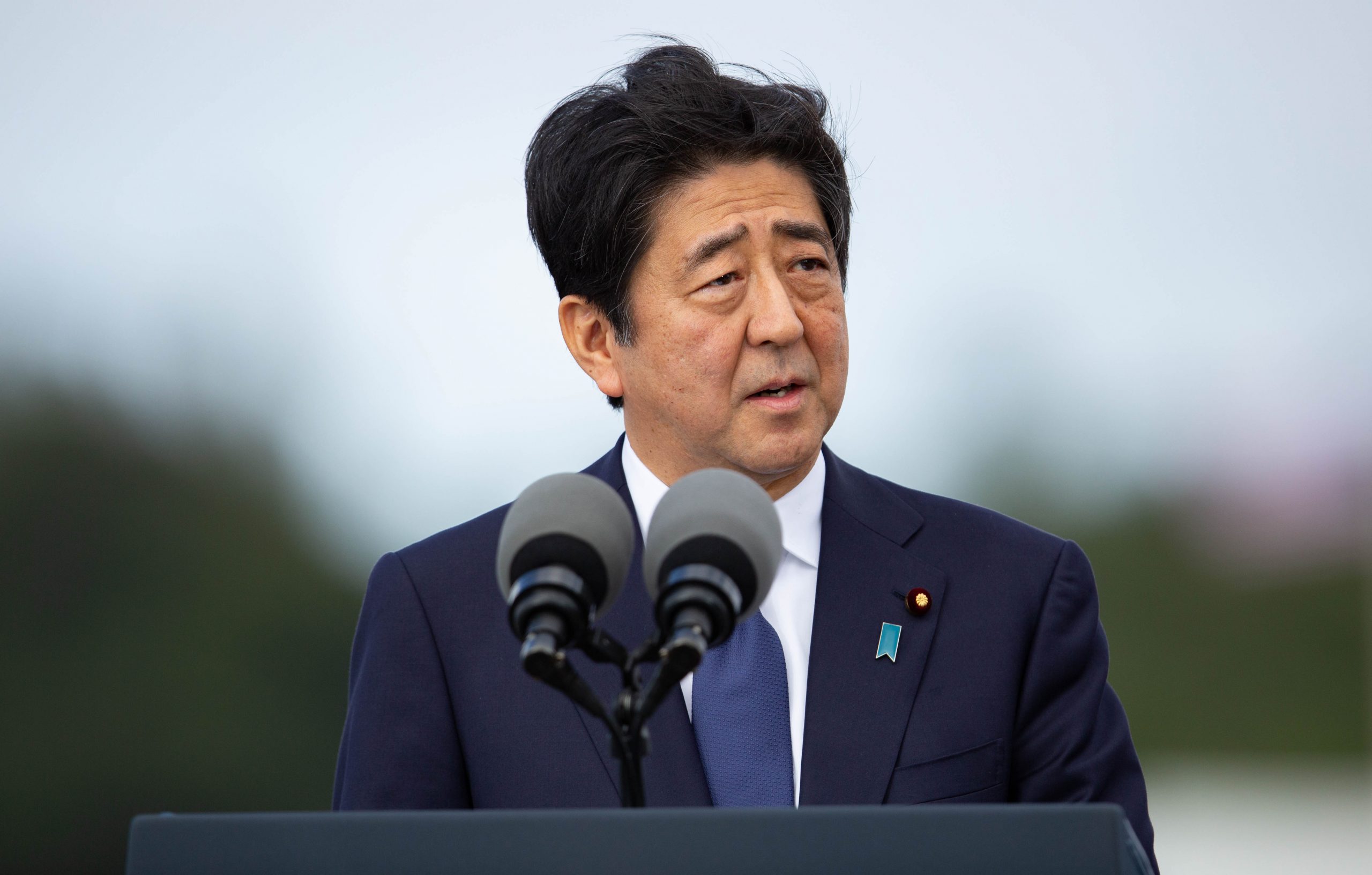
Japan’s former Prime Minister Shinzo Abe, who was assassinated on Friday, July 8th, had aimed to transform and revitalize the economy. When his government took office it was faced with the daunting task of revitalizing Japan’s once dynamic economy, which was still in the shadow of the major slowdown during the so-called “lost decade” from around 1991 to 2001. Abenomics did help drive growth, though not at the pace that the country had seen during its post-war boom.
View article
A common concept in Japan is known as mottainai, which essentially means that things should not be wasted. You might be thinking the same if you own a vacation property in Japan, but don’t spend enough time there. Have you been throwing around the idea of renting it out on AirBNB or another online listing site. Due to the COVID-19 pandemic, some have not been able to travel in and out of the country, and may be wishing to instead use their properties for lodgers in the meantime. Is it possible and if so, how?
View article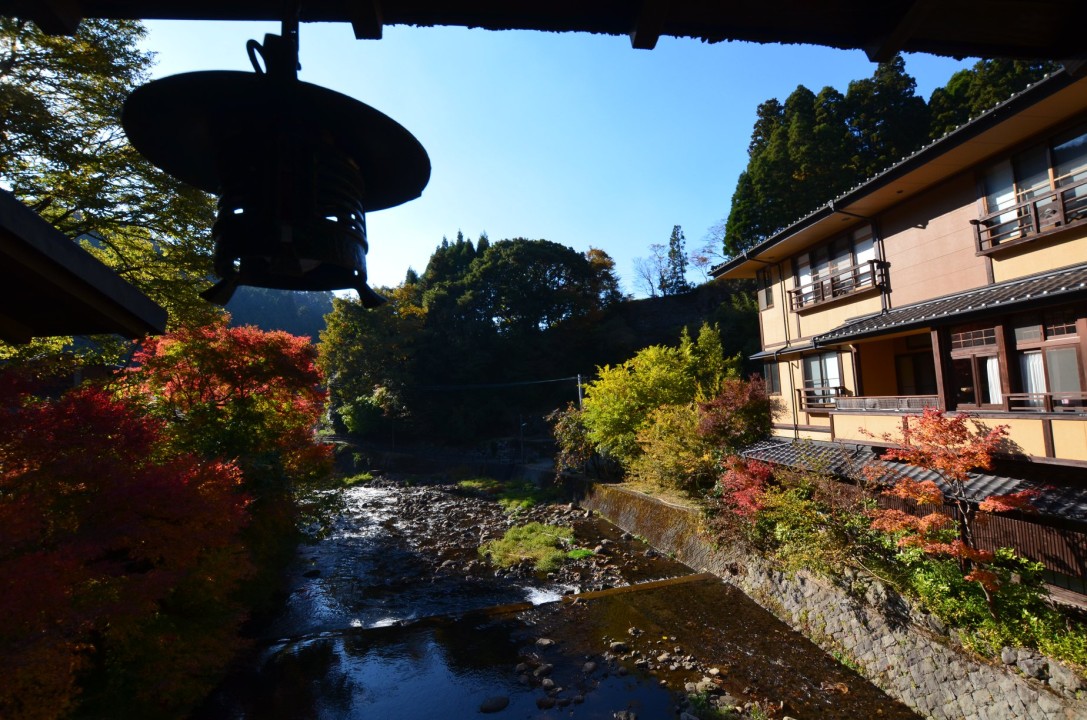
With Tokyo & Osaka approaching their pre-1990’s property bubble peak, and yields in other investment hot-spots such as Fukuoka, Kyoto and Nagoya also gaining in price and becoming more compressed, opportunity-seeking investors are on the lookout for smaller cities that may still provide higher, yet stable and reliable rental returns. However, in a country as insular as Japan, where cities other than those already frequented by international visitors remain veiled in language and cultural isolation, the quest for attractive investment destinations can be difficult.
View article
Hongkongers are returning to the Japanese property market after a two-year absence, taking advantage of a weakening yen, which is at a 20-year low against the US dollar. “Inquiries for Japanese homes from Hongkongers have surged by up to 40 per cent this month,” said Anvy Cheung, chief executive of Sakura Global, which specialises in Japanese property. “In the past two years, most of them just stayed on the sidelines, adopting a wait-and-see approach [due to the pandemic].”
View article
Japan saw its natural population decline accelerate by over 100,000 and logged its first population outflow in nine years amid entry restrictions on foreign residents due to COVID-19. Tokyo’s population shrank for the first time in 26 years, falling by 38,000 to 14.01 million, while all 47 prefectures except Okinawa posted a fall. Prefectures that had seen population growth in recent years saw their populations fall, including Chiba, Fukuoka, Kanagawa and Saitama.
View article A resurgence in demand last year among Asia-based investors for commercial real estate in markets such as the US, Australia, mainland China, the UK and Japan, led to activity that surpassed 2019’s pre-pandemic volume. New data from CBRE shows that after a muted 2020, Asian outbound investment in the asset class rose 69% year-on-year in 2021, to $54.6bn.
View articleCondo units, which come with a smaller land footprint (the building’s entire land footprint is distributed between the owners, proportionate to their units’ floorplan sizes), are usually the cheapest way to enter the market, and provide immediate turnkey profitability potential. The only cheaper asset type out there is rural land, with or without old, mostly abandoned houses built on it – but these types of properties rarely turn any profit upon purchase, and would require significant renovation and/or marketing work before they can be tenanted and start generating income – if at all.
View article The midcareer job market in Japan is changing fast, with an increasing number of workers trading secure jobs at large companies for new opportunities at startups. The trend is particularly strong among workers aged 40 and older - the loyal backbone of corporate Japan - and could serve as a catalyst for Japan’s economic revival, said one expert.
View article
As the Bank of Japan asserts its standing as a lone dove among its peers, the yen is reclaiming its status as the world’s most popular funding currency. The trade comes with risks though, given the yen could revert to being a safe haven if tensions over Ukraine heighten or if an aggressive Federal Reserve triggers a markets selloff.
View article The price of new apartments in Tokyo toppled a 30-year-old record in 2021 as rising demand from dual-income households and increasing construction costs boosted the Japanese capital’s once-moribund housing market. The mean price of new condos in the Japanese capital and surrounding areas hit 62.6 million yen ($550,000) last year, topping the 61.2 million yen high watermark set in 1990.
View article
While Japanese tenants, from a landlord perspective, are normally extremely docile and headache free, and while tenancies are generally long and stable as a rule – there is one issue that, while not unique only to Japan, is more common here due to the country’s status as the world’s fastest ageing society – as landlords in Japan, our tenants are often elderly – which means that the likelihood of them becoming severely ill or passing away during their tenancy is higher than in most other countries.
View article
The fact that Japan, as opposed to many of its neighbours, has been far slower in re-opening its borders, which remain all but shut to those who have not been residing in the country prior to the outbreak, however, has put a damper on the country’s economic prospects – but, surprisingly, and for reasons which will be partly explained, or at least speculated on, herein – these lacklustre economic prospects have done little, if anything, to property prices in most industry segments.
View articleThe rate of offices standing empty in central Tokyo in November dropped for the first time since the pandemic began, an early signal that the worst could be over for the capital’s property market. Vacancies fell by 0.12 percentage points to 6.35% in Tokyo’s five main business districts, real estate brokerage Miki Shoji Co. said on Thursday. Since hitting 1.49% in February 2020, the lowest since the country’s economic bubble burst in the early 1990s, vacancies have surged.
View articleThe government and the ruling coalition are planning to extend a tax break system for people who renovate their homes, sources familiar with the matter said. The home renovation tax relief is set to expire at the end of this year but government and ruling coalition officials are considering keeping it in place until the end of 2023, the sources said. The decision to extend the program is aimed at promoting sales of used homes amid a spike in vacant homes across the country.
View article
Higher fuel prices drove up Tokyo’s cost of living at the fastest pace in 16 months, although the increases were still tiny compared with those confronting consumers in other economies, where central banks are pulling back stimulus.
View article
Japanese land prices fell for the second straight year as the country’s closed borders and state of emergency curbs to combat the coronavirus pandemic hit demand for new restaurants and hotels…
View article
The head of one of Japan’s biggest and most conservative insurance groups is looking to roll out nursing and preventive healthcare services in ageing societies around the world in a bid to become a global giant.
View article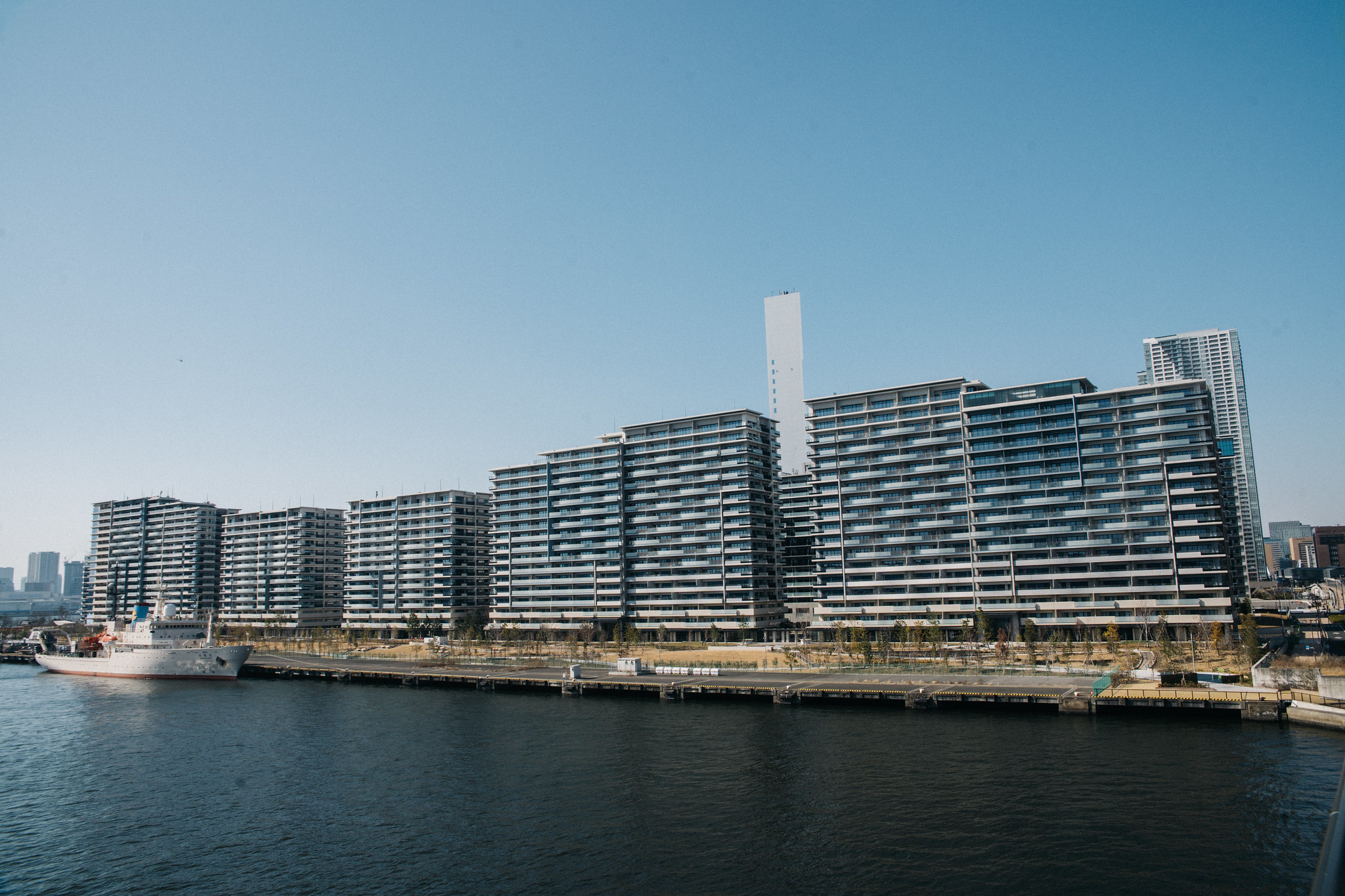
Rising prices for Tokyo real estate are starting to make the Olympic Village condos in the Harumi district near Tokyo Bay an attractive proposition. More than 5,600 units for an estimated 12,000 residents will be made available at the development, called Harumi Flag.
View article
Foreign investment in Japan’s apartments more than doubled to US$5.9 billion in 2020 during the Covid-19 pandemic, from US$2.7 billion a year earlier, according to Real Capital Analytics, which tracks deals worth at least US$10 million. So far this year, the segment has attracted US$704 million in foreign capital with another US$161 million still pending.
View article
Assuming you’ve established some key relationships with local realtors in your areas of choice, you will sooner or later come across a potential deal which will suit your criteria. The process, from here on, is quite similar to what you’d expect in any country, but with a few important differences…
View article
First, no other market in Asia has the liquidity and stability Japan offers. Not only does the country typically account for the largest share of annual transaction volumes in the region, it has long been perceived as a safe haven, underpinned by political stability, a relatively high level of market transparency and a large pool of core properties with creditworthy tenants…
View articleThe first step of your market research, and the most important building block of your future investment portfolio in the land of the rising sun, begins with what the Japanese value above all else – relationship building…
View article
The Olympic Games could act as a “show window” for Tokyo’s real estate, whether spectators are allowed or not. The approaching Games, as well as the increasing pace of Japan’s Covid vaccination campaign, is helping to fuel expectations for the country’s real estate investment trusts.
View article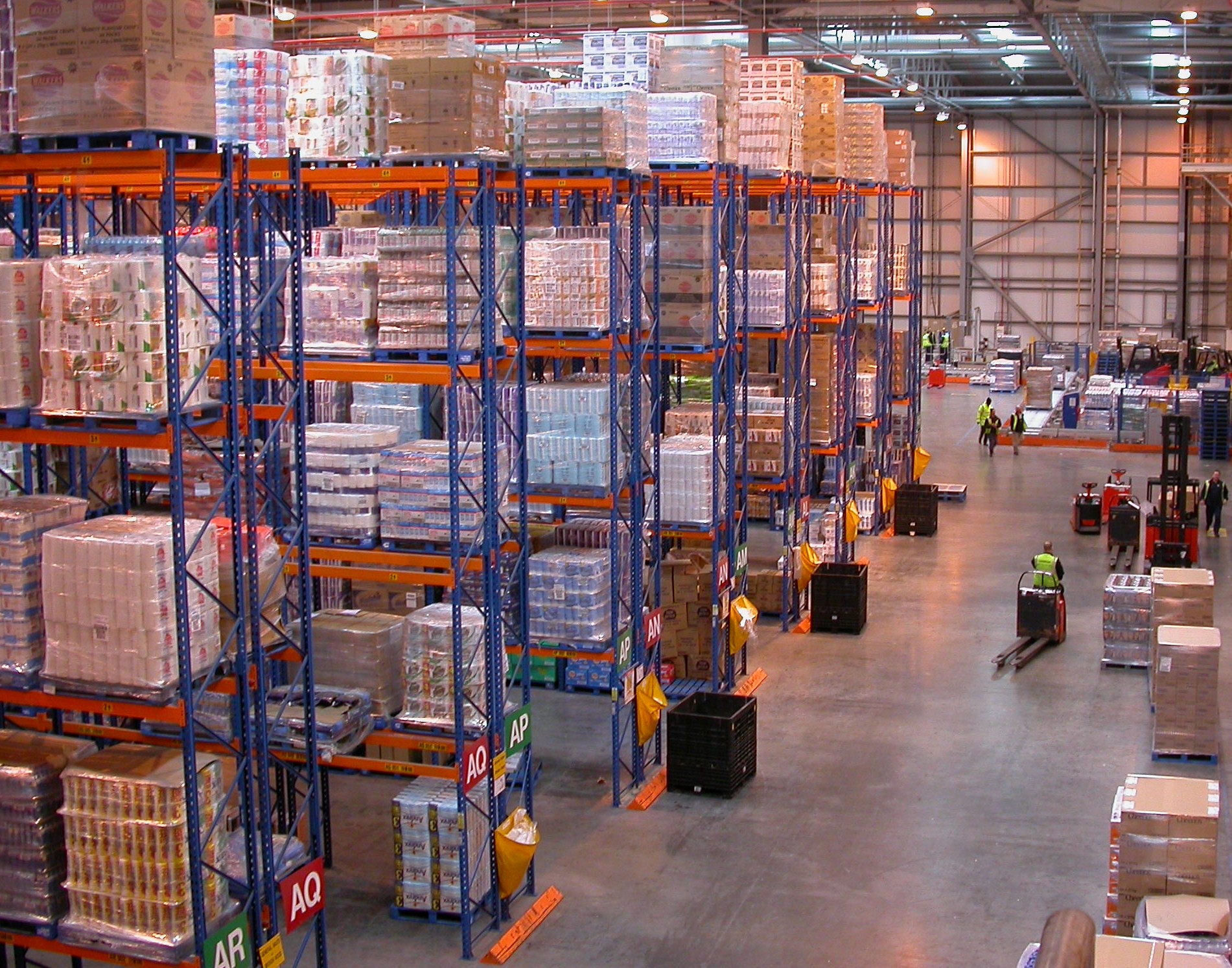
Asia-Pacific industrial and logistics properties present a massive opportunity still in early innings. The majority of global institutional investors still have little to no exposure to this fast-growing, dynamic sector. Here are four examples of the trades shaping the Asian industrial real estate markets and why we are high conviction on these investment themes.
View articleJapan is struggling with the impact of aging demographics and very high government debt levels, which limit its long-term GDP growth potential to around 1 per cent per year…
View articleIf and when a property becomes vacant, the owner would normally aim to have it cleaned up, renovated or repaired if required, then re-leased as soon as humanly possible, to allow the steady income-stream to resume ASAP. There are, however, certain periods of time, locations and property profiles which make re-populating a property a bit more challenging – and these events can require some creative thinking and solutions…
View article
“There’s no question, we all know that we live in volatile times – the real estate markets around the world couldn’t be more speculative. Yet here, in Japan, here’s a market that focuses on steady cash flow and rental income…”
View article
At any given time, there are over 50,000 US army & navy troops stationed all around Japan, in 24 different bases & related military facilities – from the tropical islands of Okinawa in the South-West, and all the way up to Aomori, in the North-East. Taking into account dependents, such as spouses and children, and another 5-6,000 non-enlisted US expat civilians working at the bases, this amounts to approximately 100,000 foreigners, spread all around the country, who all need a place to live…
View article
Japan’s work culture is in many ways a legacy of decades past, a time when most women got married, quit their jobs and raised a family, while their husbands became the sole breadwinner with long work hours. Unfortunately, raising a family and caring for elderly family members has stereotyped women as the lesser valued gender in the eyes of an employer. The coronavirus is giving this inequality a shake-up…
View article
Investors prefer to park their money anywhere rather than in deposits that provide minimal returns or take a potential hit. For this reason, real estate tends to do well as interest rates drop allowing investors to take advantage of low mortgage rates and buy properties…
View article
Since Feb 2020, with the onset of the Covid-19 global pandemic, things have changed slightly – J-REITs, which tend to be far more liquid and volatile than their underlying assets due to their very nature, have been trending down significantly in their share cost to Net Asset Value (NAV) ratios…
View article
Japan offers some of the developed world’s most beautiful and well designed homes and holiday homes, in breath-takingly beautiful and culturally fascinating locations, both urban and rural locations – spectacular and reliable investment yields – and an unparalleled, safe, regulated and fully documented business environment. The caveat to these advantages, however, is that the country is also highly ethnocentric, culturally isolated and extremely foreigner shy….
View article